
Legendary Frames -- Daido Moriyama
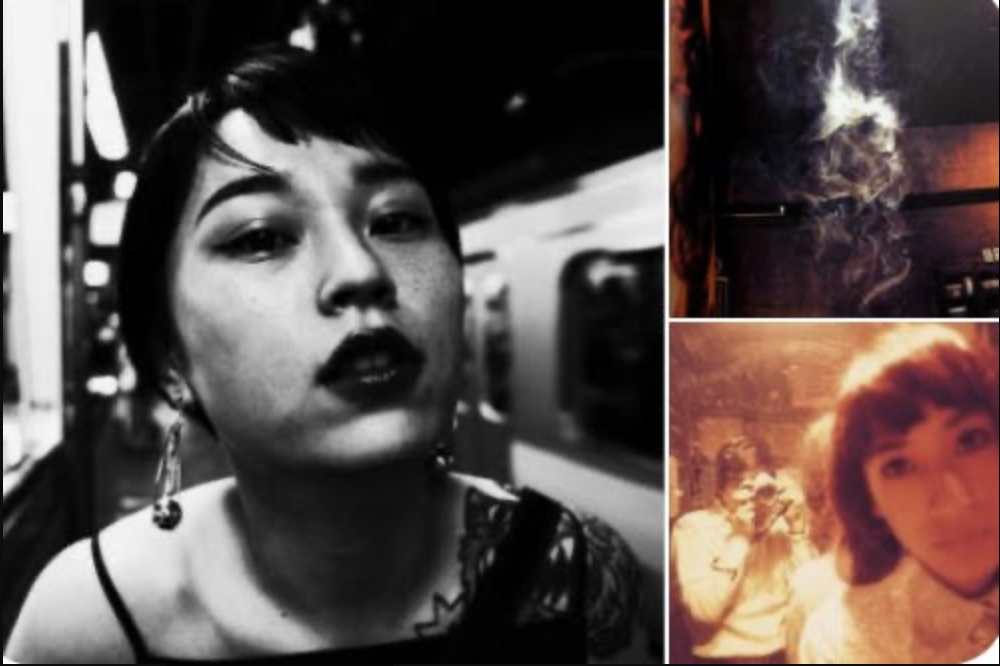
Click here to see Moriyama’s work.
Daido Moriyama (born October 10, 1938, in Ikeda, Osaka) is one of Japan’s most famous and influential street photographers — a maker of gritty, grainy images that feel like the city itself: noisy, messy, and electric. He came up in Tokyo during the 1960s, a time of huge social change, and he turned away from polished, staged photography in favor of a rough, in-the-moment style that captures life as it happens.
Moriyama’s pictures look immediate because they are. He shoots handheld, crops hard, embraces blur and high contrast, and often pushes film and prints to the edge so images come out raw and grainy. The result feels like a visual shorthand for urban life: bright signage, cramped alleys, cigarette smoke, faces half-seen, trash, lovers, and window displays — fragments that together make a mood rather than tell a tidy story. His photos don’t explain themselves; they suggest, provoke, and leave room for the viewer to fill in the gaps.
He became associated with the radical energy of the Provoke era in late-1960s Japan, a group of photographers and writers who questioned documentary norms and experimented with more subjective, confrontational ways of seeing. But Moriyama always resisted labels. He worked obsessively in photobooks — a format that suited him perfectly. His books are often quick, punchy sequences that hit like a series of small shocks: turning the page keeps the momentum going, and the whole thing reads like a personal diary or a late-night walk.
There’s something deeply personal about his gaze. Moriyama likes to say he’s just photographing what he sees, but those images also feel like the footprint of his curiosity and impatience. He’s not nostalgic; he’s drawn to what’s immediate and transient. That makes his work feel alive — full of movement, surprise and a kind of uneasy beauty. Younger photographers have taken that spirit and run with it: his influence shows up everywhere you look in contemporary photography, fashion and film.
Over decades Moriyama has kept working, experimenting with different formats and technologies without losing that core feeling. He moves between black-and-white and color, analog and digital, prints and books, always pushing to keep images raw and unpredictable. Exhibitions around the world and a long list of photobooks have made him a household name in the art world, but his pictures still feel street-level and accessible — not precious.
Part of Moriyama’s appeal is the persona he projects: the flâneur, the provocateur, someone as interested in wandering and looking as in making a perfect picture. He’s outspoken, sometimes controversial, and always honest in his approach. That honesty—his willingness to accept accidents, mistakes, and the ugly alongside the beautiful—is what makes his work so powerful.
In short, Daido Moriyama changed how many of us think about photography. He taught generations that a photograph doesn’t need to be neat to be true; it just needs to be felt. His images turn the city into a collage of fleeting moments, and in doing so he opened up a new, bracing way to see the world.