
From Surf to Street
Paul and Celie had established themselves as the go-to surf photographers on the Portuguese island of Madeira, out in the middle of the Atlantic. It took only two years to build that reputation, and during winter, when professional surfers arrived from around the world, they were always on call. Summer brought smaller surf but relentless crowds; as usual, they were content shooting traveling surfers and tourists, finding moments in the ocean.
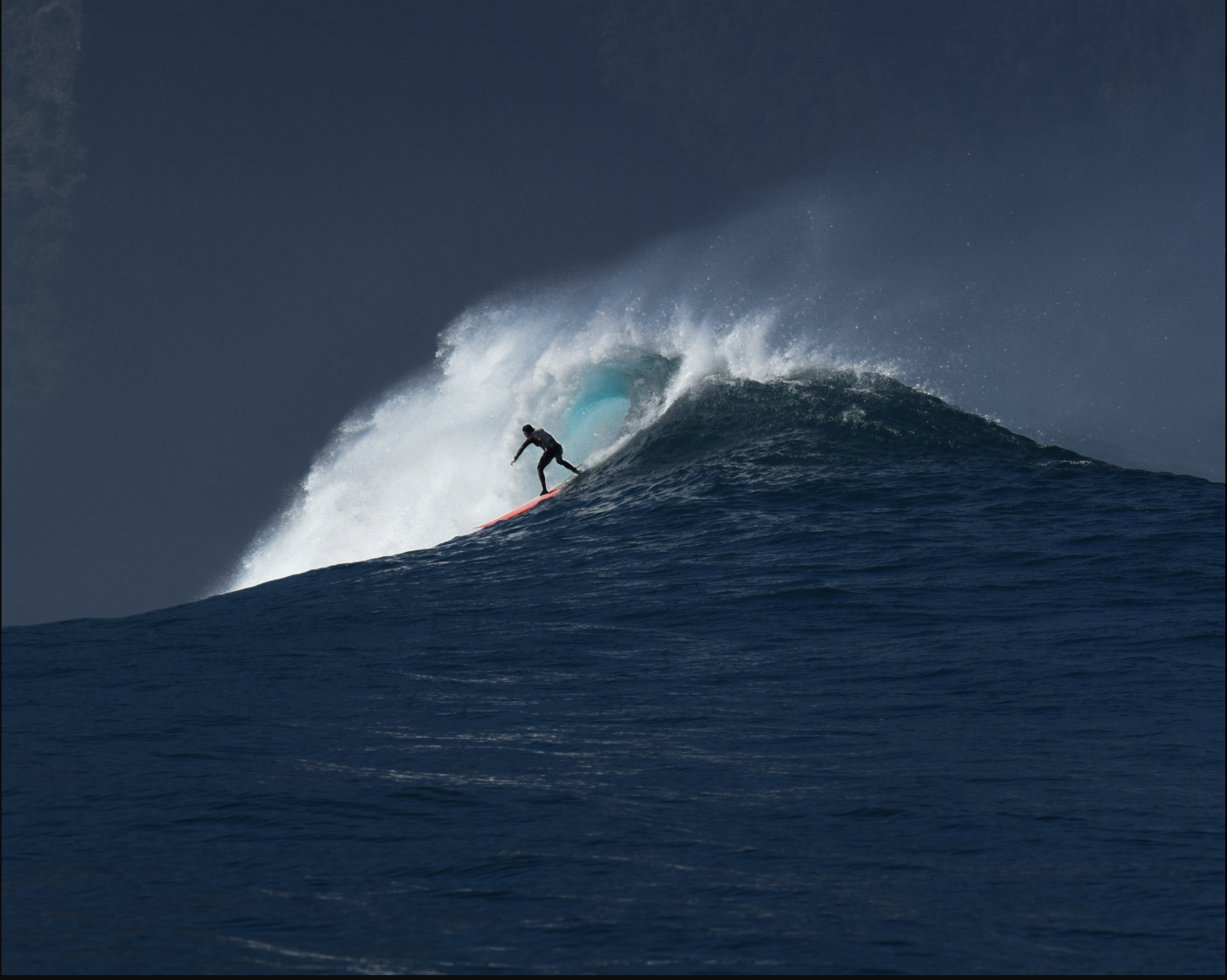
Paul remembers the day clearly. Celie had stayed home to do her yoga practice while he went to check the waves. He had a great little surf with friends, then came home for lunch. Life was good. As well as photography, Celie was teaching yoga online and preparing classes for a new centre in São Vicente; Paul’s photography was thriving—commissions, online print sales, a first show at a local beach café, a new YouTube channel called The Salti Journal, and an agent in Milan supplying him with a regular side hustle in food photography. He’d met Kiki, a younger skimboarder, a week earlier and was looking forward to sliding together.
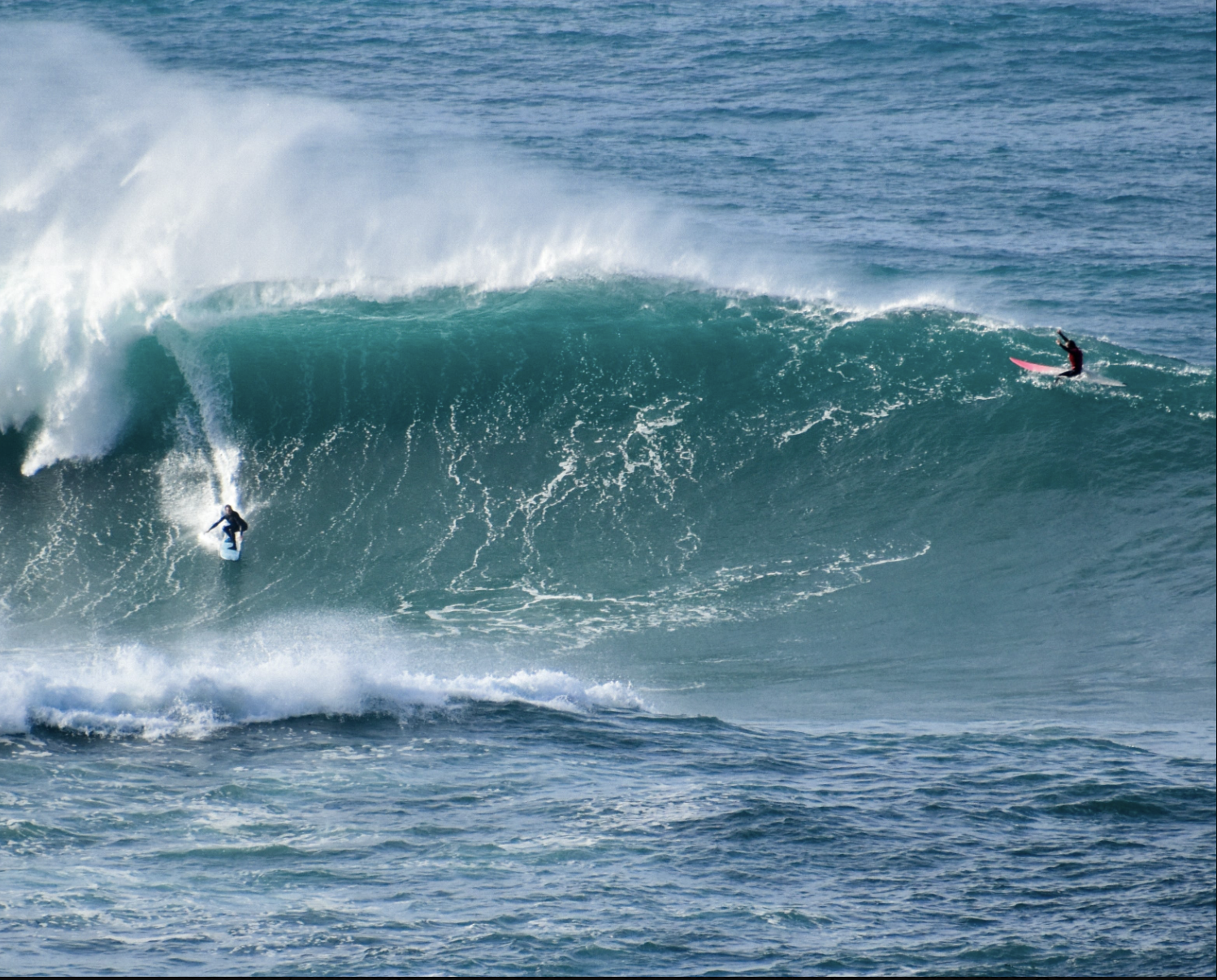
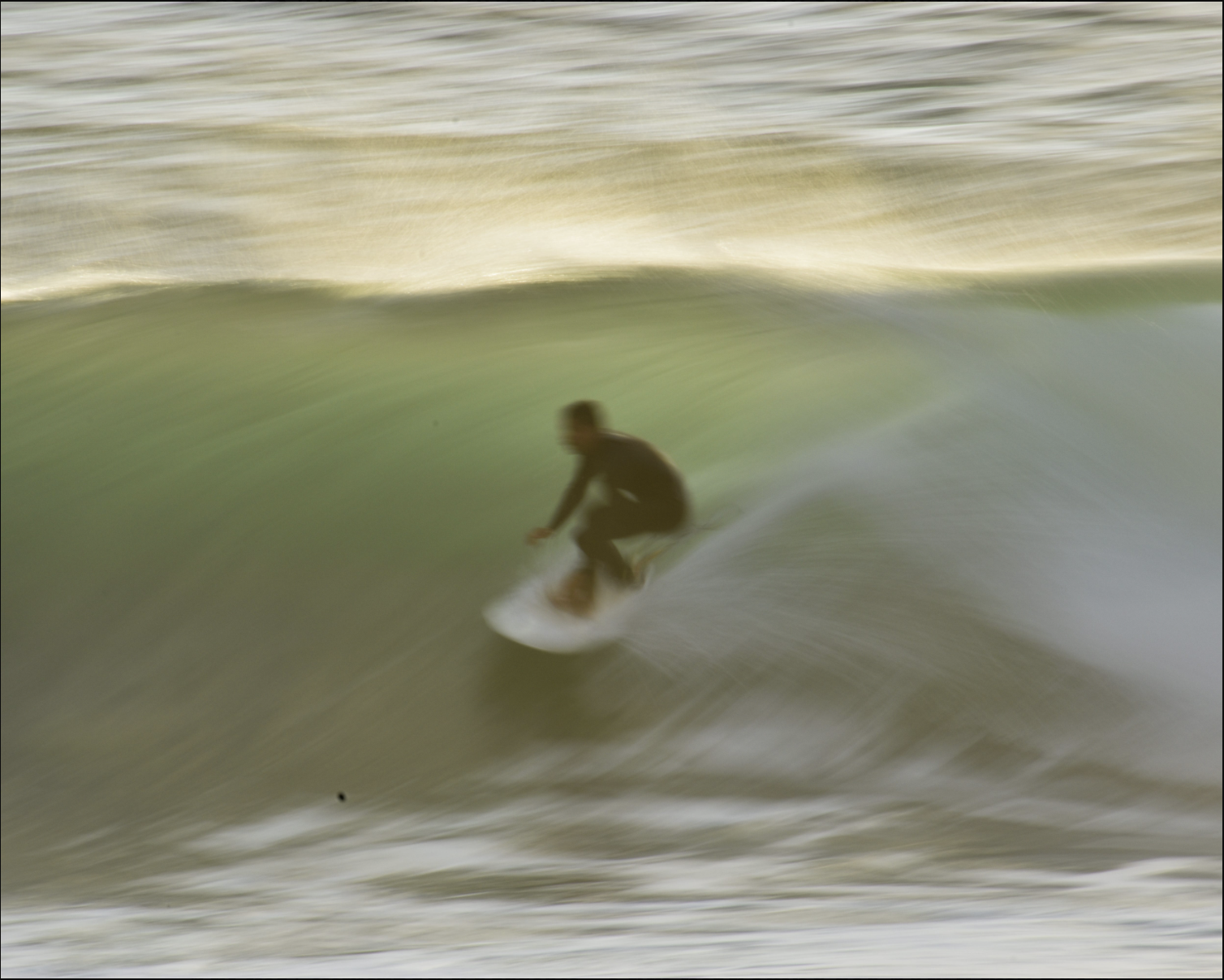
Kiki texted that afternoon to say he’d be at the beach. It was packed, but they managed a session—Paul tried Kiki’s pro board and got a nice slide while Celie swam out for a quiet lap across the bay. They moved to a new spot; Kiki went for a wave and Paul chased the next one. He launched, but landed wrong. In a backward flip his head hit the sand and his body collapsed.
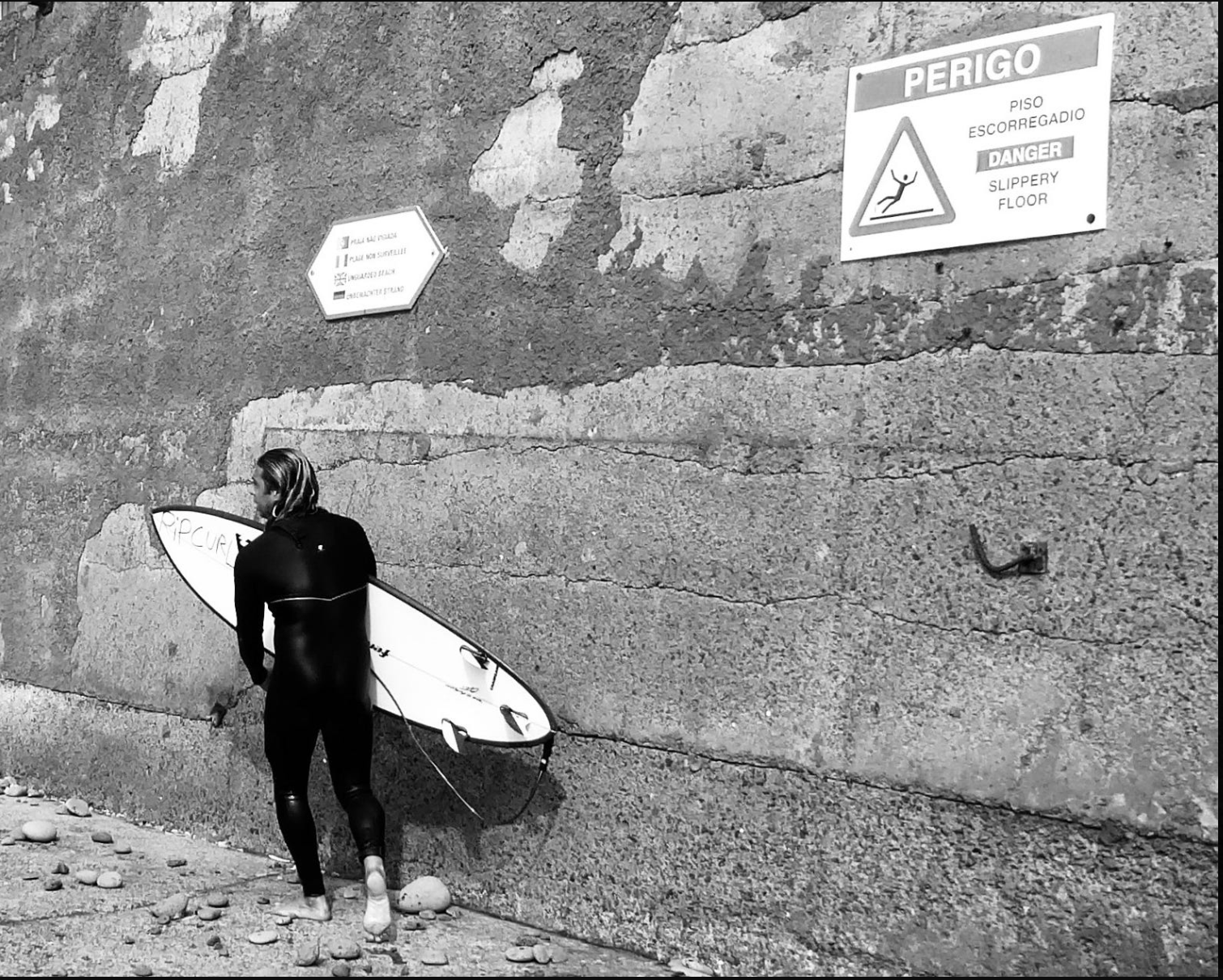
Celie looked up to find him face down floating in shallow water, sprinted down the beach and pulled him out, and for a moment he was awake but unable to speak. “I can’t breathe,” he mouthed to Celie. Then everything went yellow and he lost consciousness. Two doctors on the beach jumped in while a crowd gathered and someone called an ambulance. For long minutes they alternated CPR and mouth-to-mouth as Paul drifted away. The ambulance eventually arrived and rushed him to Funchal hospital; Kiki drove a shaken Celie in their car.
Days later when Paul finally regained consciousness, Celie had to break the worst possible news: he was paralyzed. The doctors later confirmed that he would never walk again. What followed was a slow, brutal arc—eighteen months in hospital, then three intense years of rehabilitation threaded with deep depressions. Celie stayed constant, stubborn and tender, refusing to let their life end in a ward.
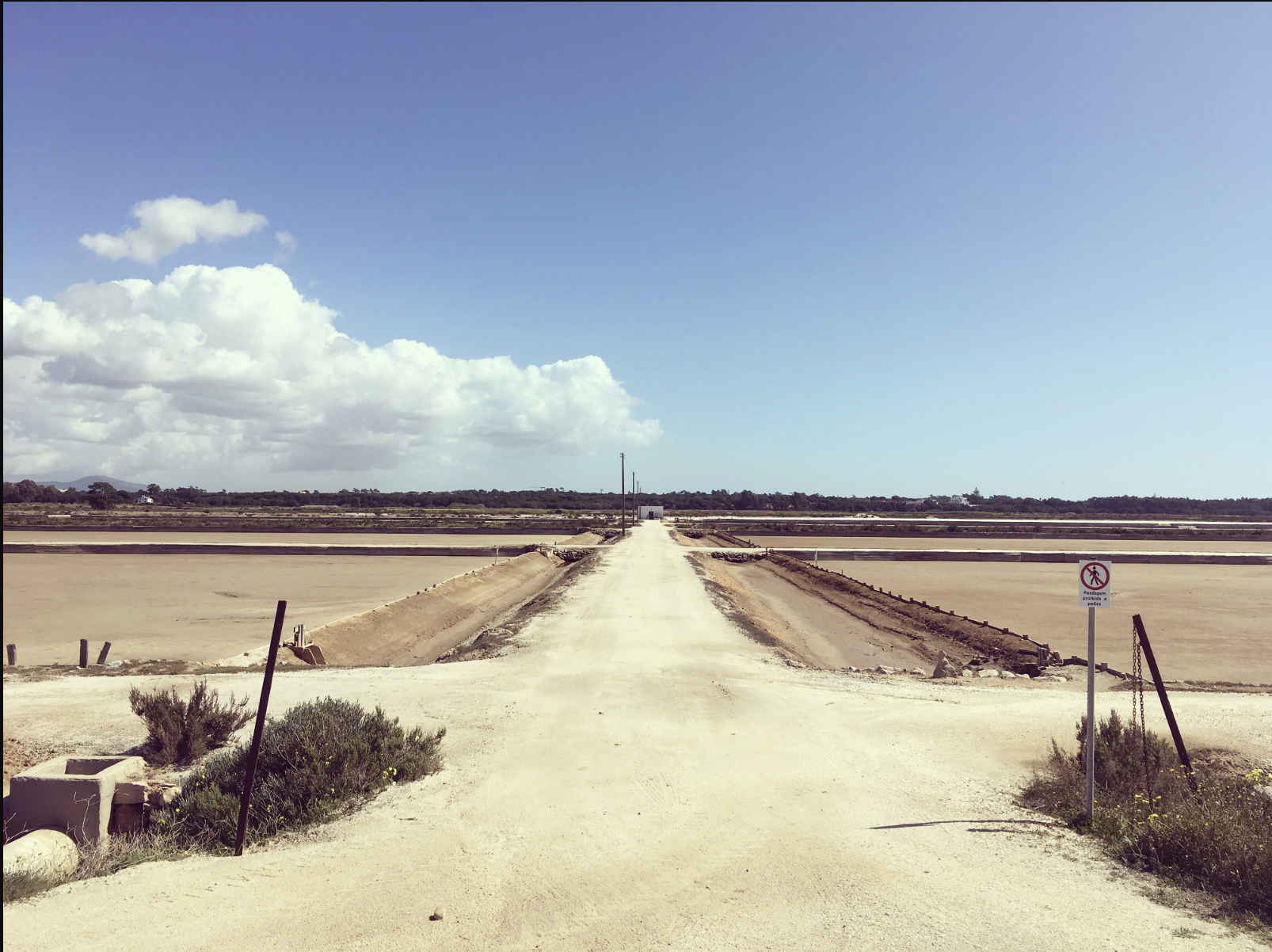
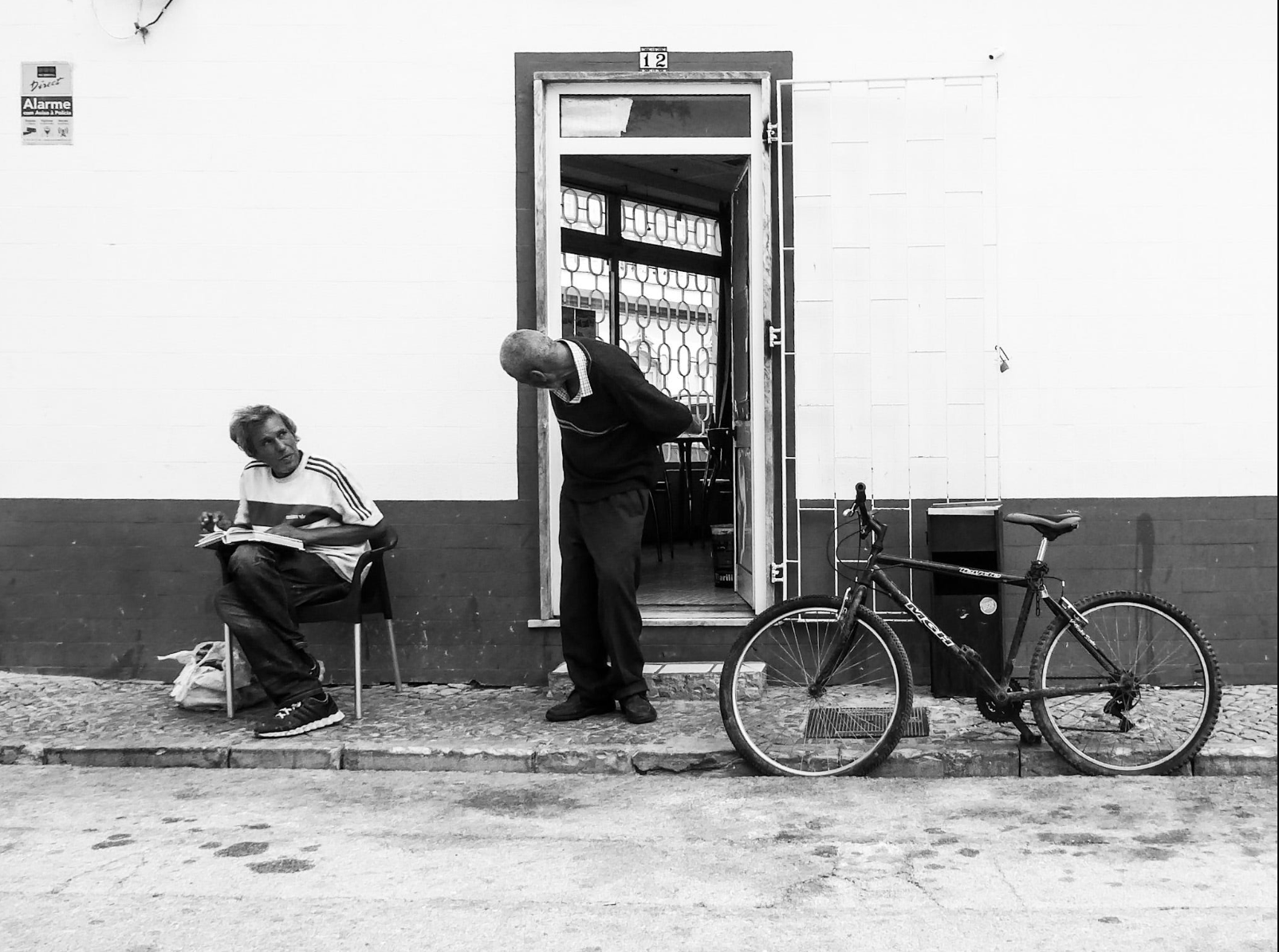
She eventually convinced him to pick up a camera again. Relearning how to look became their lifeline. They shifted from surf shoots to street photography—short outings, fresh frames, quiet conversations with strangers. Shooting every day pulled Paul back in ways therapy alone could not. It lifted spirits and drew them even closer. Over time they became recognizable figures wherever they went: Celie pushing Paul’s wheelchair, both with cameras around their necks and their rescue dog Sonny trotting at their heels. Their photographs kept the same clear, empathetic eye that had made them essential on Madeira’s beaches, now carrying the added warmth and gravity of survival and a life remade together. Thus Mr and Mrs Photography was born...
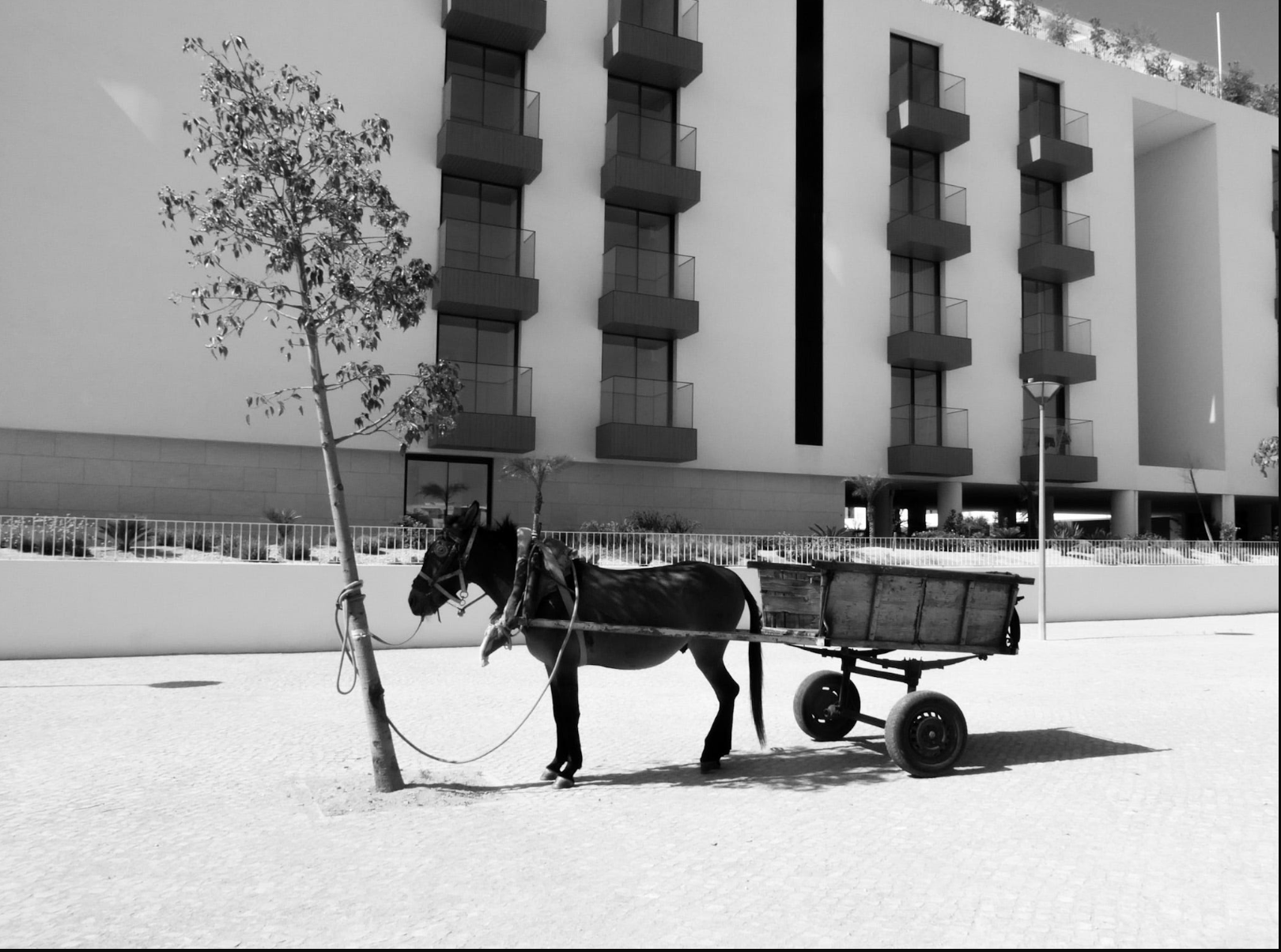
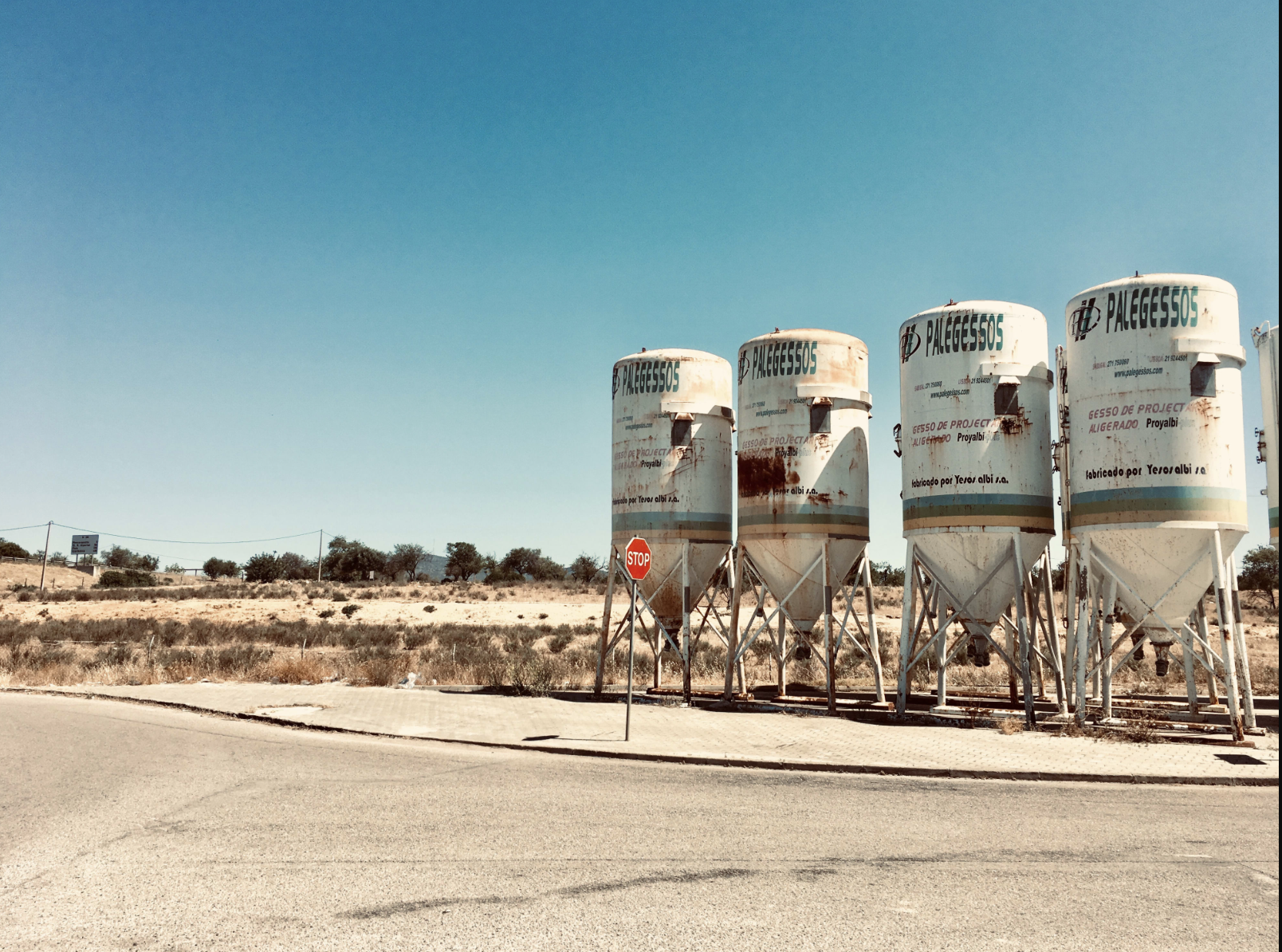
Thanks for reading our story. If you like what we do, subscribe to see our digital publications including, Quebra Coco, our book about the surfers of Madeira, and our monthly street photography zines, along with future book projects. All our publications can be viewed in flipbook format and are fully downloadable. Your support is greatly appreciated.
Subscriptions coming soon.