
When the Sling Slipped: Street Lessons and an Instax Wide Evo Street Test
A few weeks back, our regulars will remember our self‑imposed review of the K & F roll top sling bag. We liked its low‑profile look and weather resistance but flagged the minimal padding with a nervous laugh and a promise not to drop it. Well, guess what happened..? It slipped out of our hands on a hurried corner change and our poor X‑T50 took the hit. Sensor kaput. Off it went to Fujifilm for repair, and we went through the five stages of grief in about five minutes, lingering on “crushed” a little longer than we’d like to admit.
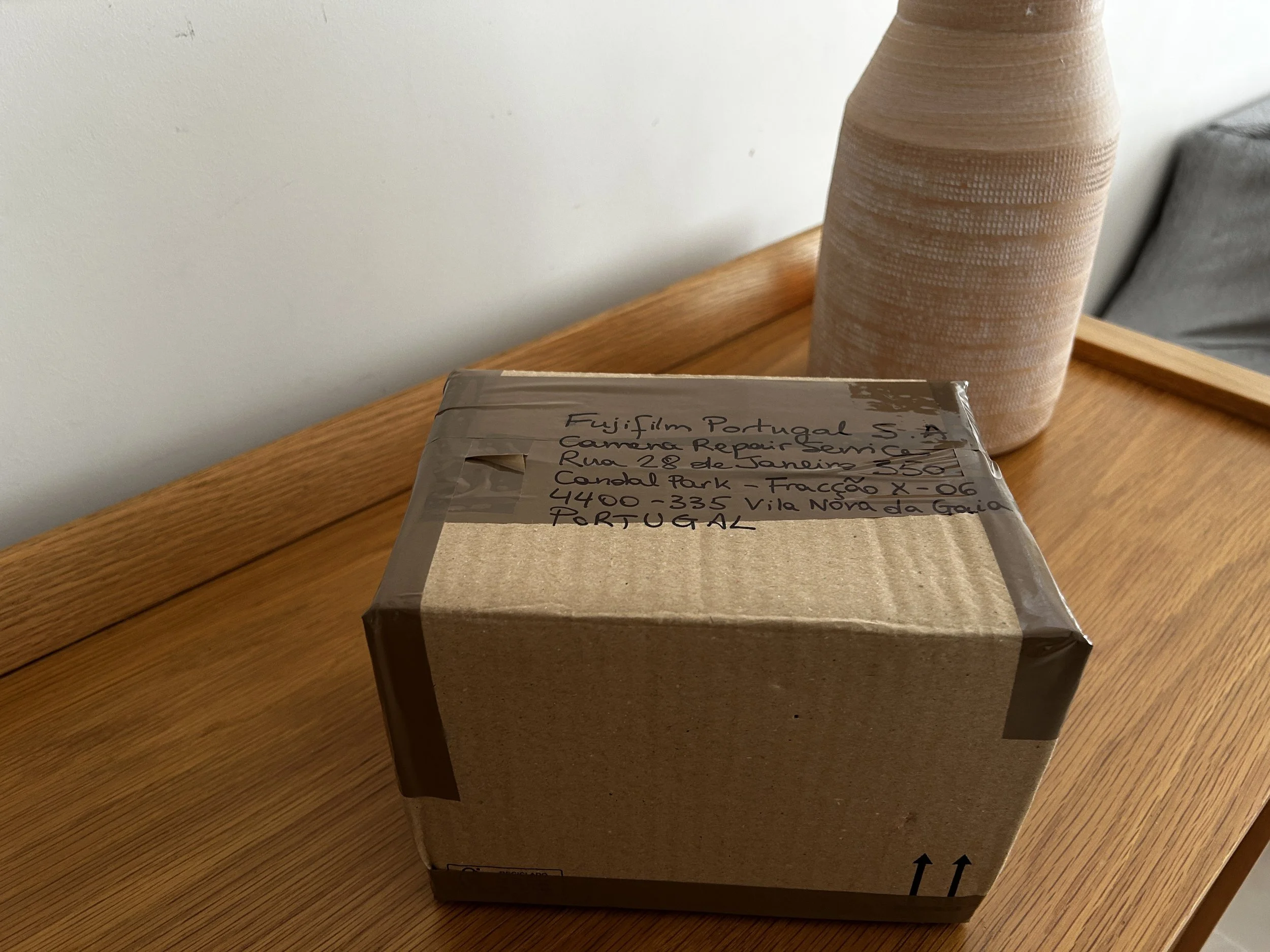
Our XT50 ready for collection
Instead of sulking, we reached for something that could turn the setback into play: the Instax Wide Evo. If the X‑T50 is our sketchbook, the Wide Evo is our instant zine machine—big frames, chunky fun, and prints you can hand to strangers who wander into your frame. Street photography thrives on immediacy, and the Wide format’s generous real estate gives gestures, signage, and negative space room to breathe.
What surprised us most was how quickly the Wide Evo nudged us into a lighter, more graphic way of seeing. Compositions tightened. We started pre‑visualizing with the borders of the print in mind. Because each shot becomes an object, you edit yourself in-camera; there’s a delicious pressure to get it right, then the satisfaction of a print warming in your palm
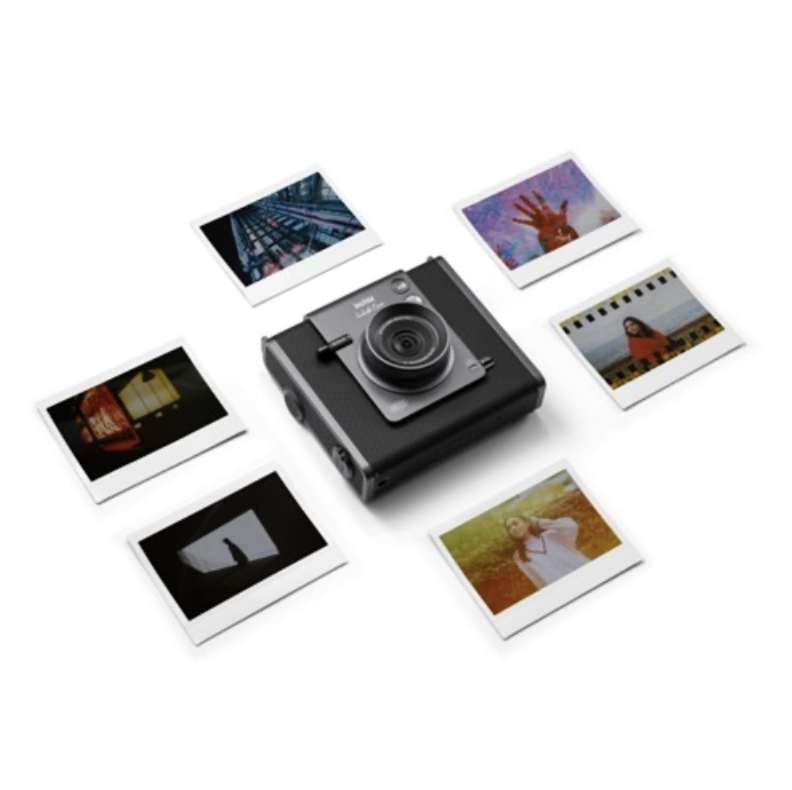
We leaned into the camera’s film looks and lens effects to set the mood before we even raised it to our eye. Monochrome became our default for late afternoons, carving clean silhouettes and turning damp sidewalks into silver ribbons. On greyer mornings we swung to Warm—or its amber‑leaning cousin—softening hard light and giving skin tones a gentle glow. A subtle vignette helped anchor subjects against busy backgrounds, especially when a tangle of signage threatened to steal the scene. The fun is immediate: dial in a look, wait for the shot to align, press the shutter, and watch the little theater appear in your hand.
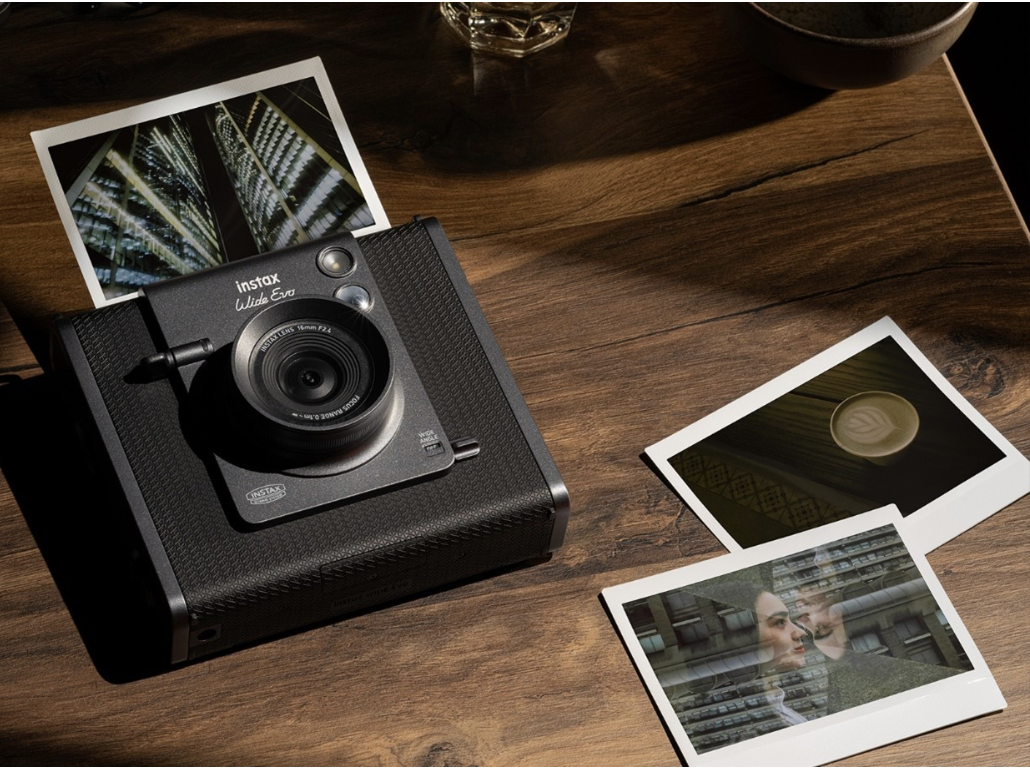
Print‑on‑demand is the quiet superpower. You can shoot, review, and only print the frames that sing, which keeps film costs sane and your bag lighter. The close‑focus aid and built‑in mirror are a cool feature, making quick curbside portraits easy. But it’s not all charm. The body is chunkier than our usual street rig. More to the point, this is a digital camera at heart that can’t directly connect to devices via a simple cable, and when Bluetooth misbehaves you can’t send photos to be printed on the camera. Also, in order to upload your shots to a computer, you have to physically remove the microSD card. In the middle of a long day, fishing out a card and finding a reader is a little annoying.
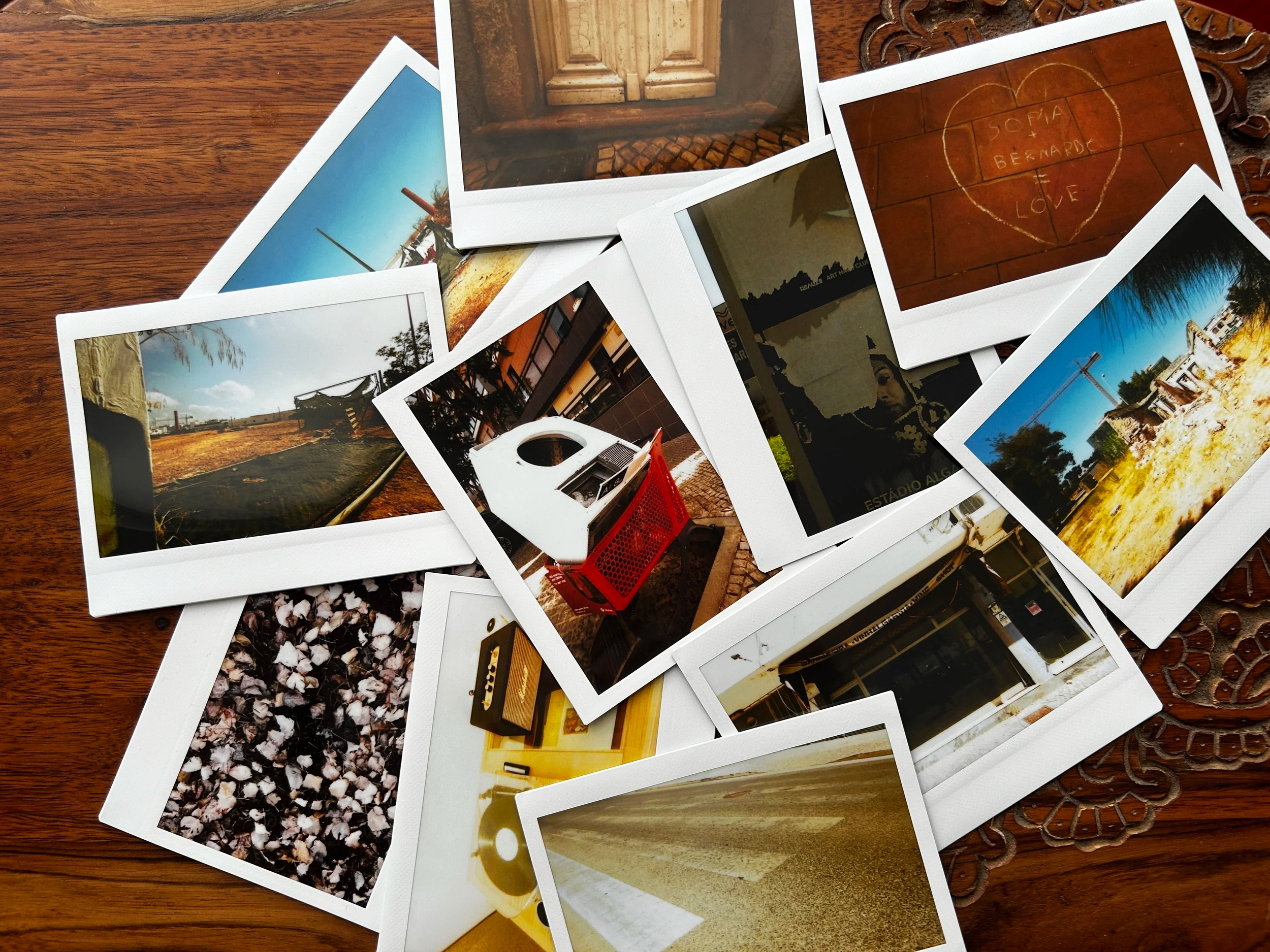
Still, the Wide Evo kept us shooting, talking, and trading prints while our main camera healed. It made us slower in a good way—more attentive to edges, gestures, and the moment when a shadow meets a step. The happy ending: our X‑T50 is back from Fujifilm, clean bill of health and a fresh sensor. We’re back to our usual workflow, but the Instax habit is sticking—there’s magic in leaving a print behind.
We learned our lesson though: we ordered a new sling bag from Peak Design to avoid further mishaps, which we will review soon.