
Small Camera, Big Stories: Why We Love the Fujifilm X-T50 for Street Photography
When it comes to street photography, the camera you carry matters—probably more than we’d like to admit. Not just in terms of image quality, but in how it feels, how it fits into your day, and how willing you are to actually take it with you.
For us, the Fujifilm X-T50 ticks all the right boxes.
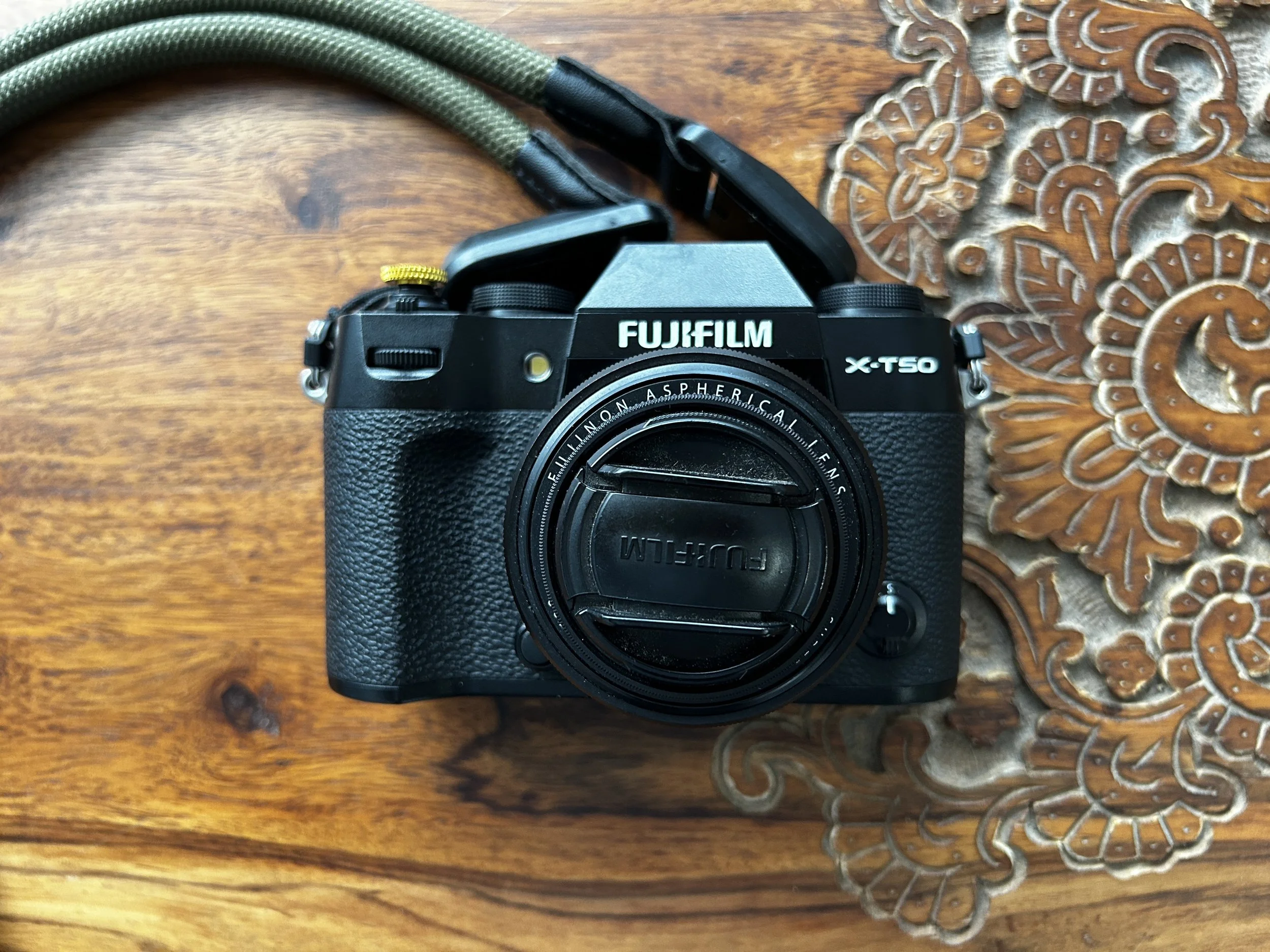
First off: the size.
This camera is small. Really small. And that’s exactly the point. Street photography works best when you’re light on your feet, blending into your surroundings rather than standing out. The X-T50 doesn’t scream for attention—it quietly sits in your hand, ready when you need it.
Pair it with the 27mm pancake lens, and it becomes even better.
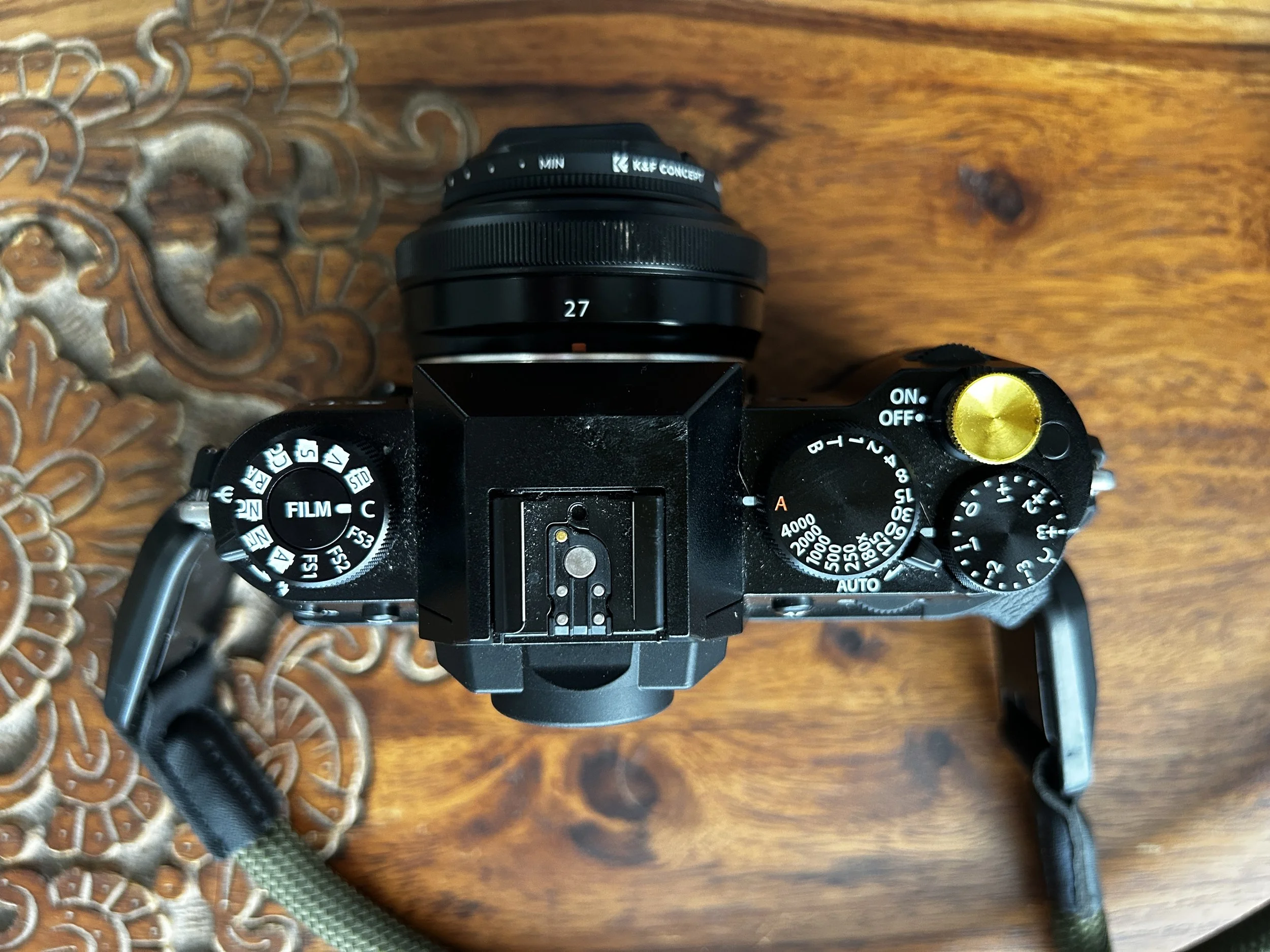
That combination is about as compact as it gets while still delivering serious image quality. It slips into a jacket pocket, hangs lightly over your shoulder, and never feels like a burden. More importantly, it doesn’t intimidate the people around you. That subtlety makes a difference when you’re trying to capture genuine, unguarded moments.
But it’s not just about size—it’s about how it shoots.
Fujifilm has always had a knack for making cameras that feel intuitive, and the X-T50 is no exception. Everything is right where you want it, which means less time fiddling with settings and more time actually paying attention to what’s happening in front of you.
And then there’s the film simulation dial.
This is one of those features that sounds like a gimmick until you start using it—and then it quickly becomes part of your process. Being able to switch between looks on the fly changes how you see a scene. Whether you’re drawn to softer tones, high contrast, or something a little more nostalgic, it’s all there at your fingertips.
It’s not just about aesthetics either—it’s about intention. Choosing a simulation before you shoot can shape the way you approach a moment.
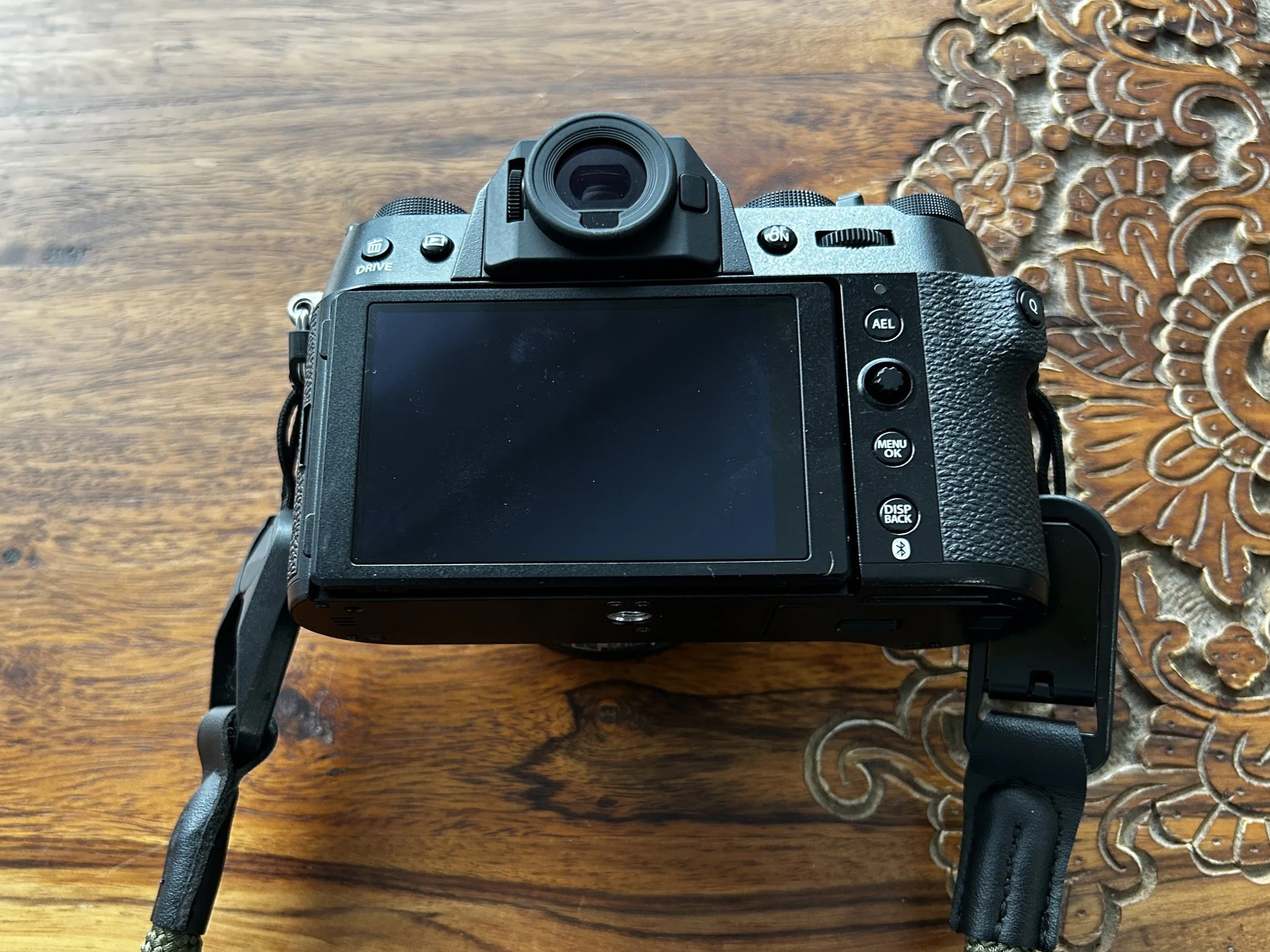
On top of that, the seven customisable settings open up even more possibilities.
We’ve set up our own recipes—small tweaks to colour, contrast, grain, and tone that reflect how we like our images to feel. Having those ready to go means we can adapt quickly without diving into menus or editing everything later. It keeps the process fluid, and in many cases, lets us walk away with images that already feel finished.
That’s a big part of why we love this camera.
It encourages you to stay in the moment.
Street photography is unpredictable. Things happen fast, and you don’t always get a second chance. The X-T50, especially with the 27mm pancake lens, feels like an extension of that rhythm—quick, responsive, and unobtrusive.
It’s a camera that doesn’t get in the way. And when that happens, you start to notice more. You react faster. You shoot more freely.
At the end of the day, that’s what matters most.
The best camera for street photography isn’t necessarily the most powerful one—it’s the one you’ll carry, the one you’ll trust, and the one that helps you stay present.
For us, right now, that’s the Fujifilm X-T50.