
In Search of Imperfection
Why photographers are beginning to change the way they shoot
A couple of days ago, we received a comment on a picture we posted on social media. Initially we felt proud, but that feeling was quickly replaced by dread. The comment was simple yet powerful. It read, “This picture is absolutely perfect.”
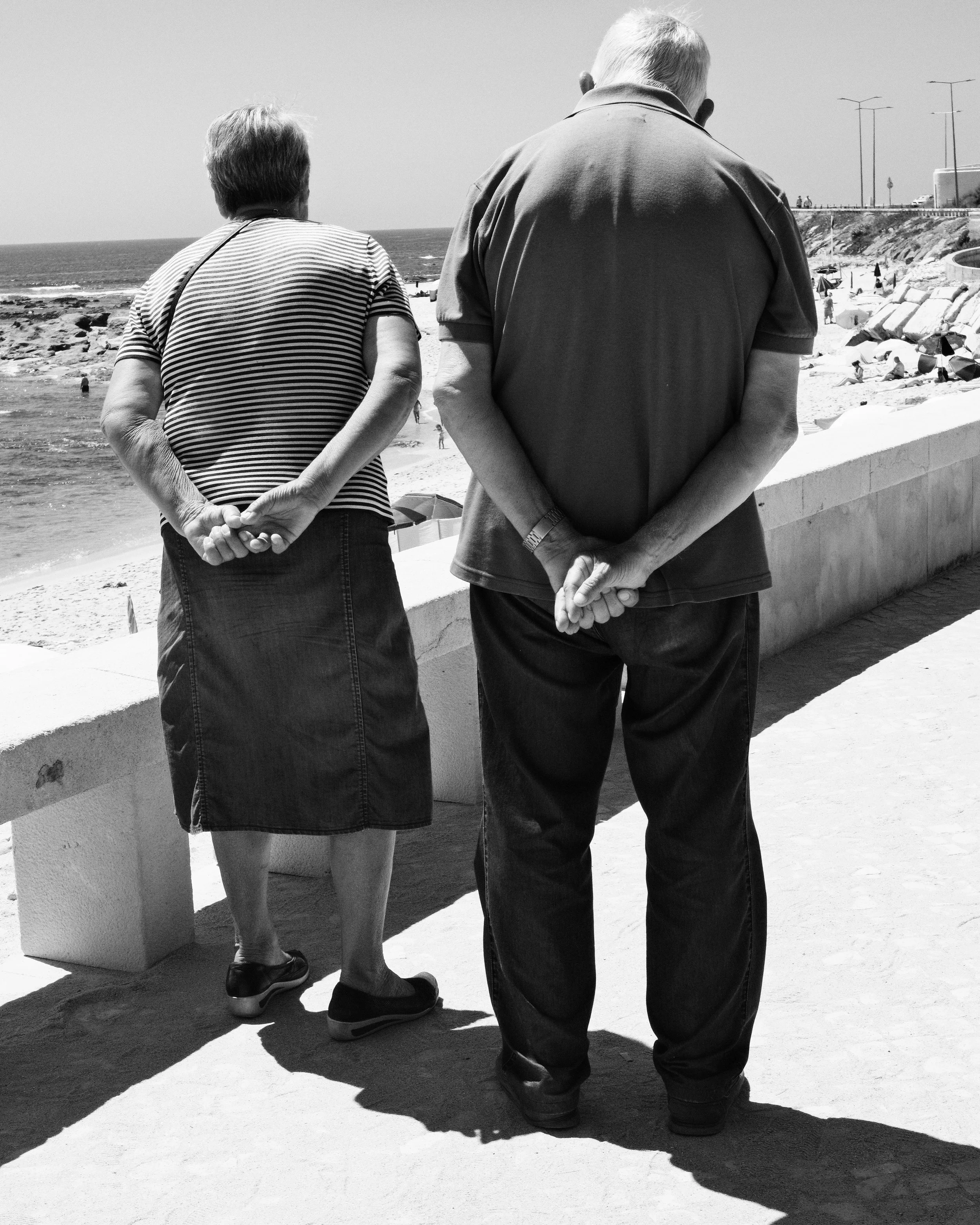
We are living in an age of extraordinary visual perfection. Every day, we are fed an endless stream of immaculate photographs: flawless skin, perfect light, impossible landscapes, beautifully composed moments. Scroll long enough, however, and scratch just beneath the surface, and an uncomfortable question emerges: how much of what we are looking at was ever photographed at all?
AI has blurred the boundary between photography and fabrication. Images can now be created with astonishing realism without a camera ever being raised, a shutter ever being pressed, or a photographer ever standing in front of the scene. Even established names within the photographic world, such as Magnum, have embraced AI-generated projects, creating entire books of images without actually taking a single photograph. For those who have devoted years to the craft, this can feel like a blatant disregard for the art itself. The result is confusion for the viewer and, perhaps more troublingly, disillusionment for the photographer. What does a photograph mean when it no longer necessarily represents something that existed in front of a lens?
And yet, perhaps something unexpected is happening. As perfection becomes increasingly easy to manufacture, imperfection is becoming valuable. A slight blur. Uneven light. Grain. A strange expression. A crooked horizon. The evidence of a real moment, captured rather than constructed. These imperfections carry something that perfection often cannot: the feeling that something actually happened.
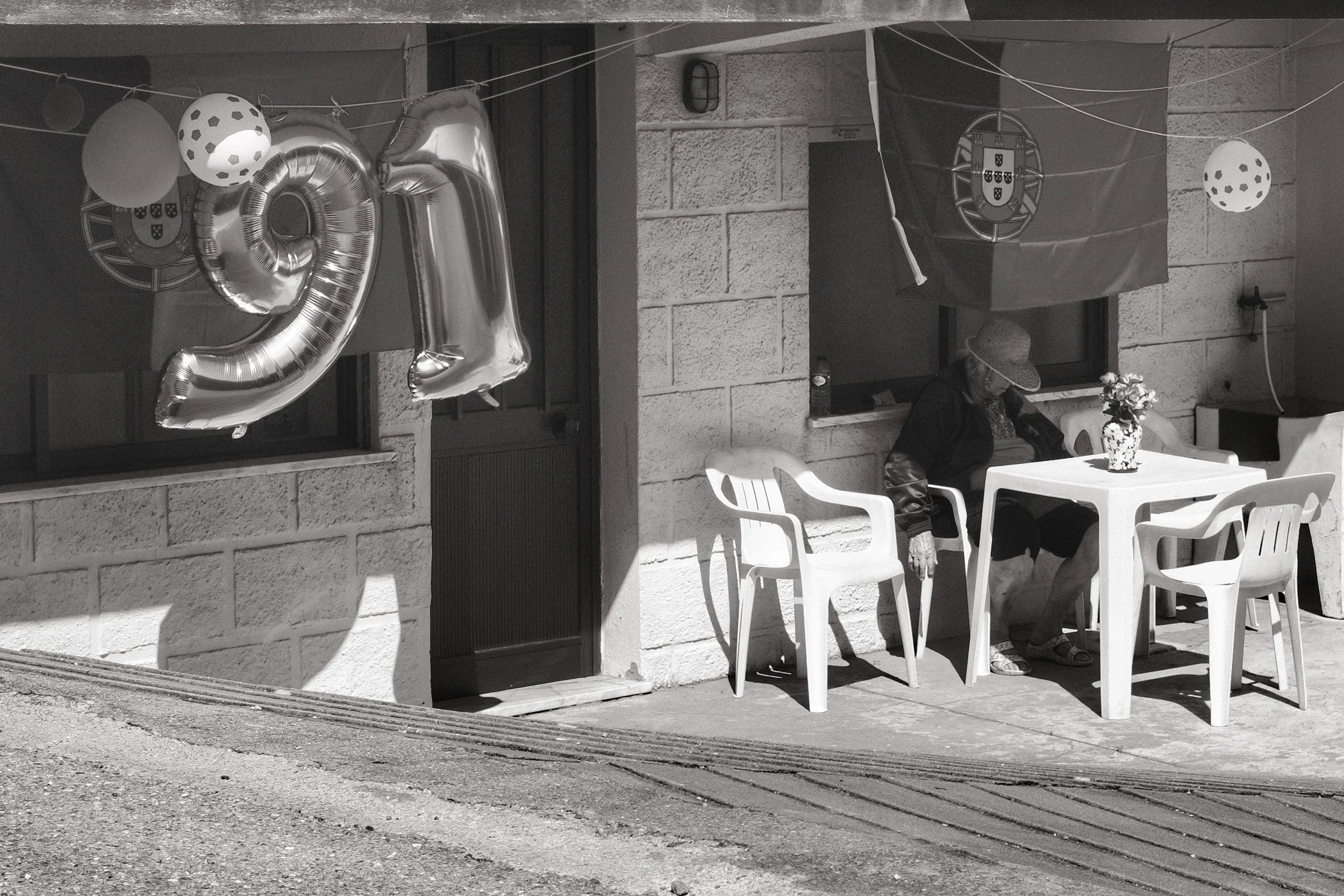
Photographers are beginning to chase these imperfections—not because they are technically superior, but because they feel human. They suggest presence, chance and reality. Perhaps the future of photography will not be defined by how perfect an image can become, but by how imperfect it is allowed to remain.
In a world increasingly filled with images that look real, perhaps the imperfect photograph will become the most convincing proof that something was real at all.