
10 Creative Ways to Take Amazing Photos Without Leaving the House
Discover a World of Photography at Home
Who says you need to travel to exotic locations, explore dramatic landscapes or venture out into the streets to capture great photographs? Sometimes, the most inspiring subjects are right under your nose. Your home is full of opportunities to experiment with light, composition, colour, texture and storytelling. Whether you are a beginner looking to develop your skills or an experienced photographer searching for fresh inspiration, there are countless ways to get creative without stepping outside. Here are ten ideas to help you see your home in a completely new light.
1. Window of Opportunity: Master the Magic of Natural Light
Natural light is one of the most powerful tools in a photographer’s kit, and your windows provide the perfect starting point. Experiment with photographing objects, portraits, houseplants or even a simple cup of coffee beside a window. Soft morning light can create a gentle, flattering effect, while stronger afternoon sunlight can produce dramatic shadows and striking contrasts. Try moving your subject closer to the window, further away or into the shadows to see how the light changes. You can also use a net curtain to diffuse harsh sunlight or a piece of white card to bounce light back onto your subject. By learning to observe and control natural light, you can transform even the simplest scene into something beautiful.
2. Still Life, Big Impact: Turn Everyday Objects into Art
You do not need expensive props or elaborate studio equipment to create a compelling still-life photograph. Look around your home for everyday objects that might work together visually, such as fruit, flowers, books, crockery, perfume bottles or vintage ornaments. Arrange your chosen items against a simple background and experiment with different compositions, angles and lighting setups. A colourful collection of fruit might make a vibrant image, while an arrangement of old books and spectacles could create a nostalgic atmosphere. Pay attention to shapes, textures, negative space and the relationship between objects. Still-life photography is an excellent way to practise your technical skills while developing your own artistic style.
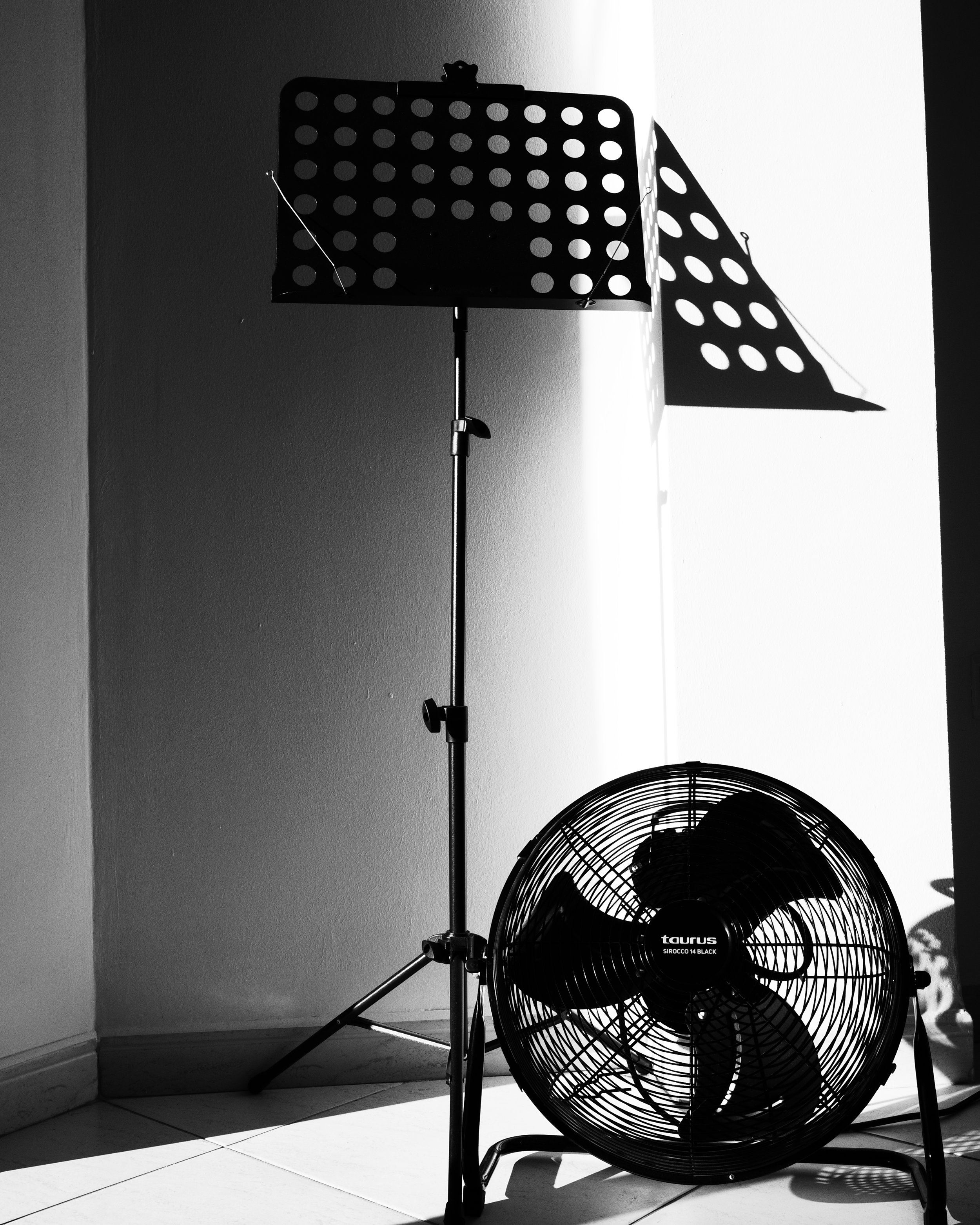
3. Macro Magic: Discover the Extraordinary in the Ordinary
One of the joys of photography is discovering details that are often overlooked by the naked eye. Macro and close-up photography allow you to explore the fascinating textures, patterns and tiny details found in everyday household items. Photograph the intricate fibres of fabric, the surface of a leaf, droplets of water on a glass, the texture of a sponge or the delicate details of jewellery. If you have a macro lens, now is the time to use it, but a standard lens or a phone camera can also produce impressive close-ups. Move in close, focus carefully and experiment with a shallow depth of field to make your subject stand out. You may be surprised by how unfamiliar ordinary objects can look when photographed from a different perspective.
4. Mirror, Mirror: Experiment with Reflections
Mirrors offer endless creative possibilities and can turn an ordinary photograph into something unusual and thought-provoking. Use a bathroom mirror for a self-portrait, a small hand mirror to reflect a flower, or a larger mirror to create interesting patterns and visual illusions. You can experiment with symmetry, reflections within reflections, and compositions that reveal only part of a subject. For a more artistic approach, try photographing a reflection rather than the object itself, allowing the viewer to work out what they are seeing. Keep an eye out for unwanted clutter and distracting reflections, and move your camera until the composition feels balanced. With a little experimentation, mirrors can help you create everything from elegant portraits to surreal photographic art.
5. Shadow Play: Create Drama with Light and Darkness
Shadows can be just as interesting as the objects that cast them. Using a desk lamp, a torch or direct sunlight through a window, you can create dramatic shapes and patterns around your home. Place objects between the light source and a wall to produce striking silhouettes, or shine light through household items such as colanders, lace curtains and patterned glass to create intricate designs. Experiment with moving the light closer to or further away from the subject to alter the size and sharpness of the shadows. Black-and-white photography works particularly well for this technique because it emphasises contrast and form. Think creatively and look beyond the obvious subject: sometimes, the shadow itself can become the main feature of the photograph.
6. Home Portrait Studio: Photograph Family, Friends or Yourself
You do not need a professional studio to take engaging portraits. A quiet corner of your home, a plain wall and a window can provide everything you need to get started. Photograph a family member, a friend or yourself, concentrating on expression, pose, lighting and background. Try traditional headshots, candid moments, environmental portraits that reveal something about the subject, or creative self-portraits using props and unusual angles. If you are photographing yourself, a tripod and a camera timer can make the process much easier. Encourage your subject to relax and interact naturally rather than relying entirely on posed smiles. Portrait photography is not simply about recording what someone looks like; it is about capturing personality, mood and emotion in a single frame.
7. Food for Thought: Make Your Meals Look Delicious
Food photography is a wonderful way to practise composition, colour coordination and lighting while creating images that look good enough to eat. You do not need a professionally prepared dish: a bowl of fresh fruit, a slice of cake, a homemade meal or even a cup of tea can make an excellent subject. Start by placing your food near a window and using soft natural light to reveal its texture and colour. Experiment with overhead shots, close-up details and photographs taken at table level. Add simple props such as cutlery, napkins or a wooden chopping board, but avoid overcrowding the scene. Consider the colours and shapes within the frame, and try to capture the food at its freshest. With practice, you can turn everyday meals into mouth-watering photographs.
8. The Art of the Ordinary: Photograph Your Home Differently
A familiar room can become an entirely new photographic subject when you change your perspective. Instead of photographing a room in the usual way, concentrate on architectural details, interesting lines, repeating patterns, textures or unexpected combinations of objects. Look for the geometric shapes created by doorways, the leading lines of a staircase, the arrangement of furniture or the way light falls across a wooden floor. Try photographing from floor level, from above or through a partially open door to create a more unusual composition. You could even challenge yourself to photograph one room as though you were documenting a location for a magazine. The key is to stop seeing your home as a familiar living space and start seeing it as a collection of photographic opportunities.
9. Water Wonders: Explore Refraction, Ripples and Droplets
Water is a remarkably versatile photographic subject, offering opportunities for abstract images, creative still lifes and close-up experiments. Fill a clear glass with water and photograph it against a colourful background to explore refraction, which can make objects behind the glass appear distorted. Place droplets on a leaf, a mirror or a smooth surface to capture their reflections and highlights. You could also photograph ripples in a bowl of water or freeze the movement of a falling droplet using a fast shutter speed and suitable lighting. If you are using electronic equipment near water, keep your setup stable and well away from spills. Start with simple experiments and change one element at a time. You will soon discover that even a small amount of water can produce fascinating visual effects.
10. Get Abstract: Break the Rules and Let Your Imagination Run Wild
Abstract photography is all about exploring shapes, colours, textures and patterns without necessarily showing a subject in a recognisable way. Your home is full of possibilities, from the folds of a bedsheet and the curves of a glass to reflections in polished surfaces and the colourful contents of a drawer. Get close enough to remove the context of the object, experiment with unusual angles, or deliberately use shallow focus to transform familiar items into intriguing compositions. You could also try intentional camera movement or experiment with longer exposures, provided your lighting and subject allow it. There are no strict rules to follow, so let curiosity guide you. The aim is to create an image that captures attention through its visual qualities rather than relying on an obvious subject.
Great Photography Begins with a Fresh Perspective
You do not need to travel far, buy expensive equipment or wait for the perfect opportunity to improve your photography. Your home can become a personal creative studio where you experiment, practise and develop new ideas at your own pace. From mastering natural light and exploring macro details to creating dramatic shadows and abstract compositions, each of these ten projects offers a chance to learn something new.
The next time you feel uninspired or unable to get out with your camera, challenge yourself to find ten different photographs in one room. Change your viewpoint, look for unusual details and experiment with the light available to you. You may discover that the biggest obstacle to creativity is not a lack of interesting subjects, but simply the need to look at familiar things in a different way.
You can show us your support by subscribing for exclusive access to our digital photography books and monthly eZines, which includes our top 20+ shots of the month. If you're a street photographer, why not collaborate with us? Send us your ten best shots for a chance to be included in our monthly publications.