
How to Kill the Doom Scroll
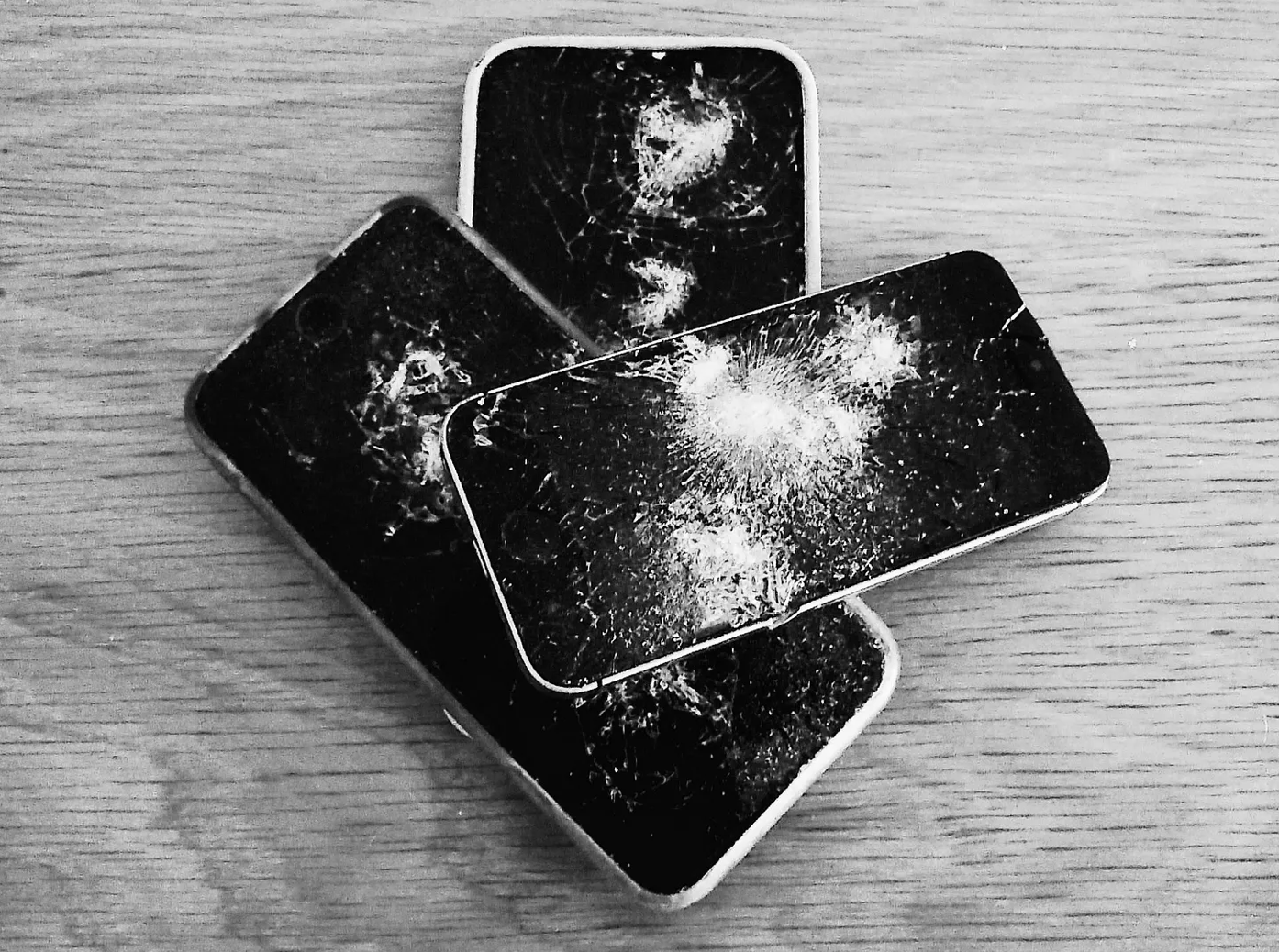
Reclaiming photography, one image at a time
Let’s get straight to the point.
For years, platforms like Instagram have slowly chipped away at the experience of photography, one endless scroll at a time. What began as a place to discover inspiring work has become a stream of algorithmically selected content designed to keep us scrolling rather than truly looking.
I've lost count of the number of times I've opened my feed only to be served the same style of photographs, repeated over and over again. Instead of seeing the work of the photographers I've chosen to follow, I'm shown whatever the algorithm decides will keep my attention for a few more seconds. It isn't curated for appreciation—it's curated for engagement.
Photography deserves better than a fleeting swipe.
An image that may have taken hours, days, or even years to create is often given less than a second of someone's attention before disappearing into an endless feed. Somewhere along the way, we've confused visibility with value.
Taking Back Control
The reality is that reclaiming photography from the doom scroll won't be easy. If it were, we wouldn't be having this conversation.
But photographers have always found ways to share their work beyond whatever platform happens to dominate the internet.
Gallery exhibitions remain one of the most rewarding ways to present a body of work. Local cafés, bars and independent venues can also become unexpected galleries, introducing your photography to people who might never have found it online. Not only does this help build a local audience, but it also creates genuine connections within your community.
Publishing is another powerful option. Producing your own magazine or zine—whether printed or digital—allows you to tell stories on your own terms. A carefully sequenced publication gives photographs room to breathe, creating a completely different experience from the rapid-fire consumption of social media.
Selling prints is another meaningful way to share your work. While it can provide an income, that's only part of the story. A print becomes part of someone's home, their daily life, and their personal collection. It gives a photograph permanence.
Most importantly, don't create in isolation. Collaborating with other photographers to produce publications, exhibitions and shared projects can lead to work that is richer, more diverse and reaches entirely new audiences. Photography has always thrived through communities, not algorithms.
Because ultimately, this isn't just about making money.
It's about creating spaces where photographs can be seen, experienced and appreciated in the way they were intended. It's about giving your work the room it deserves.
Returning to the Old Ways
Every art form needs a stage.
A painting hangs on a gallery wall. A novel sits on a bookshelf. Music fills a room.
Photography deserves its own stage too.
Whether that's framed on a wall, resting on a coffee table, carefully presented in a book, or thoughtfully displayed on your own website, your photographs deserve more than a passing glance between adverts and suggested with posts.
They deserve a place where people can return to them again and again.
Our Stage
For us, that stage is a combination of several things.
From time to time we'll hold exhibitions. Occasionally we'll release limited-edition prints. We love seeing photographs exist in the physical world, and we don't think that will ever change.
But our preferred way of publishing is through digital zines and e-books.
Why digital?
Because we believe digital publishing can offer the best of both worlds. We produce every publication as an immersive flipbook, creating an experience that feels much closer to reading a beautifully designed magazine than scrolling through a PDF. Readers can also download each publication to keep and revisit whenever they like.
There are practical benefits too. Digital publishing dramatically reduces production costs, making our work more affordable and accessible, while avoiding the waste that often comes with large print runs. It's a cleaner, more sustainable way to share photography without compromising on presentation.
That doesn't mean we'll never print.
Quite the opposite.
We'll continue to produce small print editions from time to time because there's something undeniably special about holding a beautifully made publication in your hands.
We genuinely believe that our digital model offers a more accessible, affordable and environmentally conscious way to experience photography.
Join Us
Photography has always been stronger when it's shared.
That's why we're opening up BLVD., our monthly digital zine, to photographers from around the world.
Every issue includes an additional 20 pages dedicated entirely to reader submissions. Whether you're an established photographer or just beginning your journey, we'd love to see your work.
If you've been looking for a place where your photographs can live beyond the doom scroll, this is your invitation.
Let's build something that lasts.
One page at a time.