
Chiaroscuro in Motion: Street Photography Lessons from The Tango Lesson, The Girl on the Bridge, and Ripley
Although we shoot in both colour and monochrome, black-and-white cinema has always been a compass for our street photography—its restraint, grain, and chiaroscuro remind us that story lives in the margins between light and shadow. Three works we return to often are The Tango Lesson, The Girl on the Bridge, and the recent series Ripley. Each shows a different way monochrome can sculpt space, movement, and mood on the street.
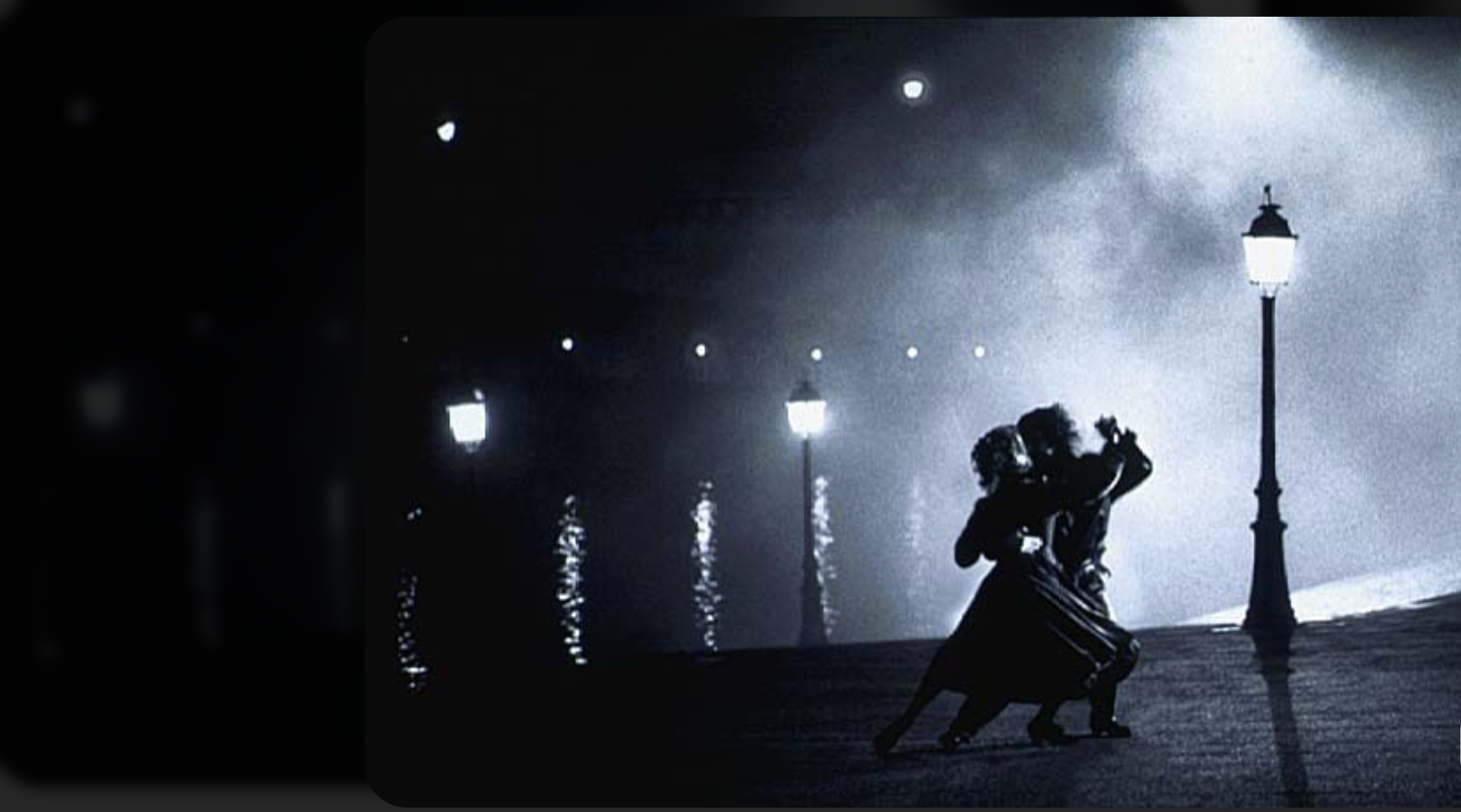
The Tango Lesson (1997), shot by Robby Müller, feels like walking into a graphite sketchbook. Müller’s eye prizes negative space: wide frames where bodies drift through pale rooms and damp pavements, every step of tango carving a line through the city. The film’s Paris exteriors are a blueprint for reading sidewalks—windows flare like soft lanterns, and puddles double the world in abstract shapes. Müller often lets highlights bloom, a gentle halation that turns streetlights and café awnings into punctuation marks. For us, it’s a reminder to expose for emotion first: meter for the face, let the background breathe, and accept the glow.
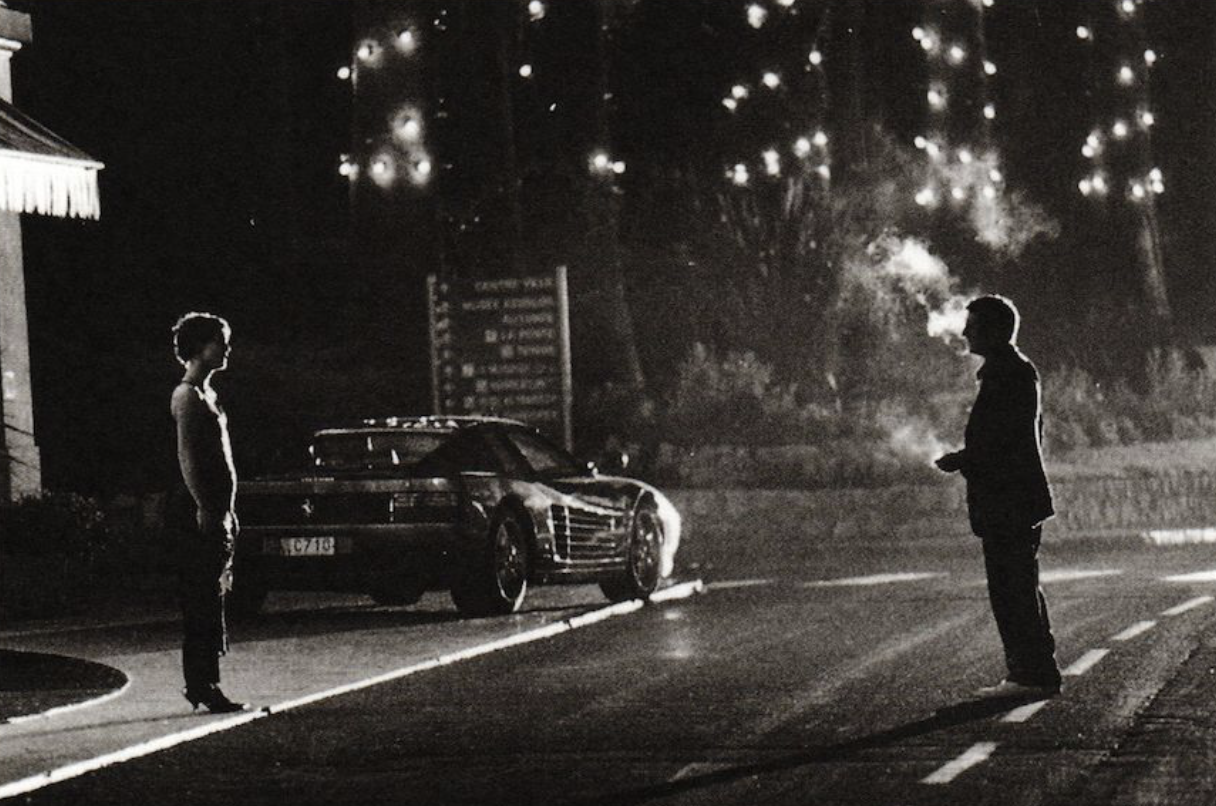
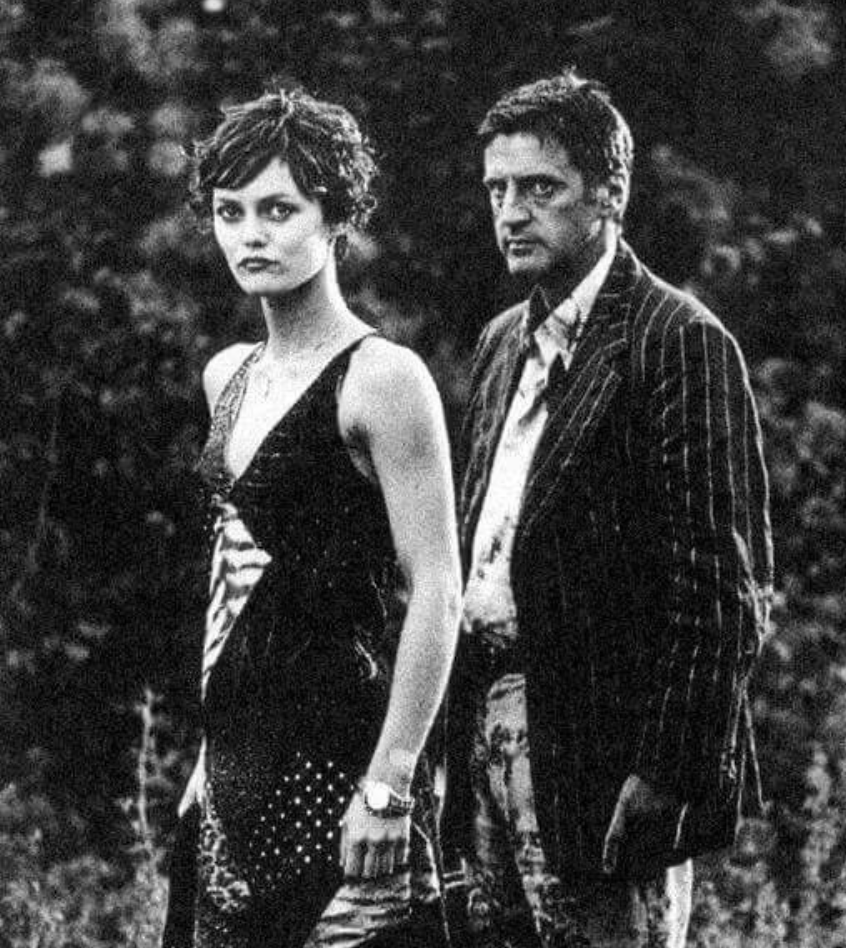
The Girl on the Bridge (1999), with Jean-Marie Dreujou behind the camera, is all knife-edge glamour—silver skin tones, inky blacks, and a carnival of textures. Dreujou leans into luminous close-ups that float against darkness, then fractures that intimacy with gritty, off-kilter street scenes. Bokeh turns city lights into sequins; shallow depth-of-field isolates gestures—a hand on a railing, a glance tossed like a coin. The film teaches us to hunt for luminous faces amid chaos and to use specular highlights as graphic elements. On the street, that becomes shooting wide open near neon, letting grain and blur conspire to suggest a mood rather than diagram it.
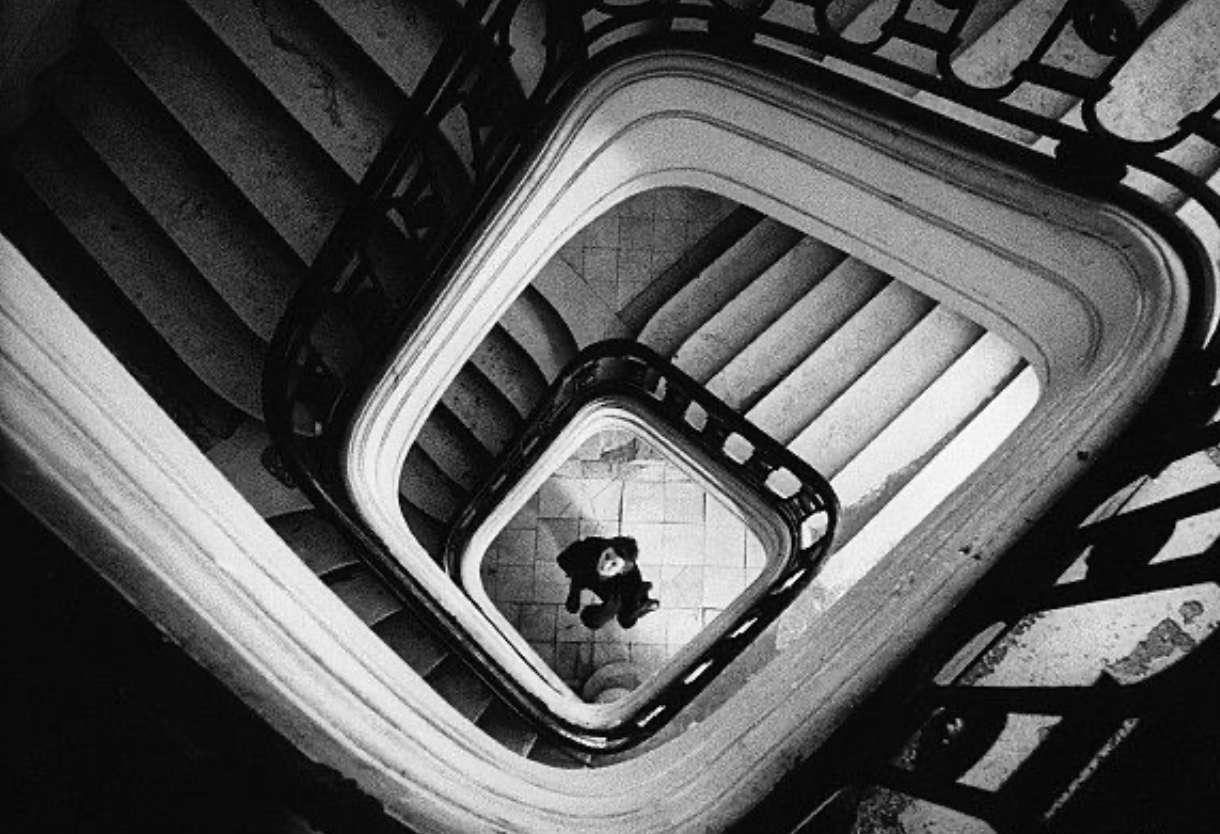
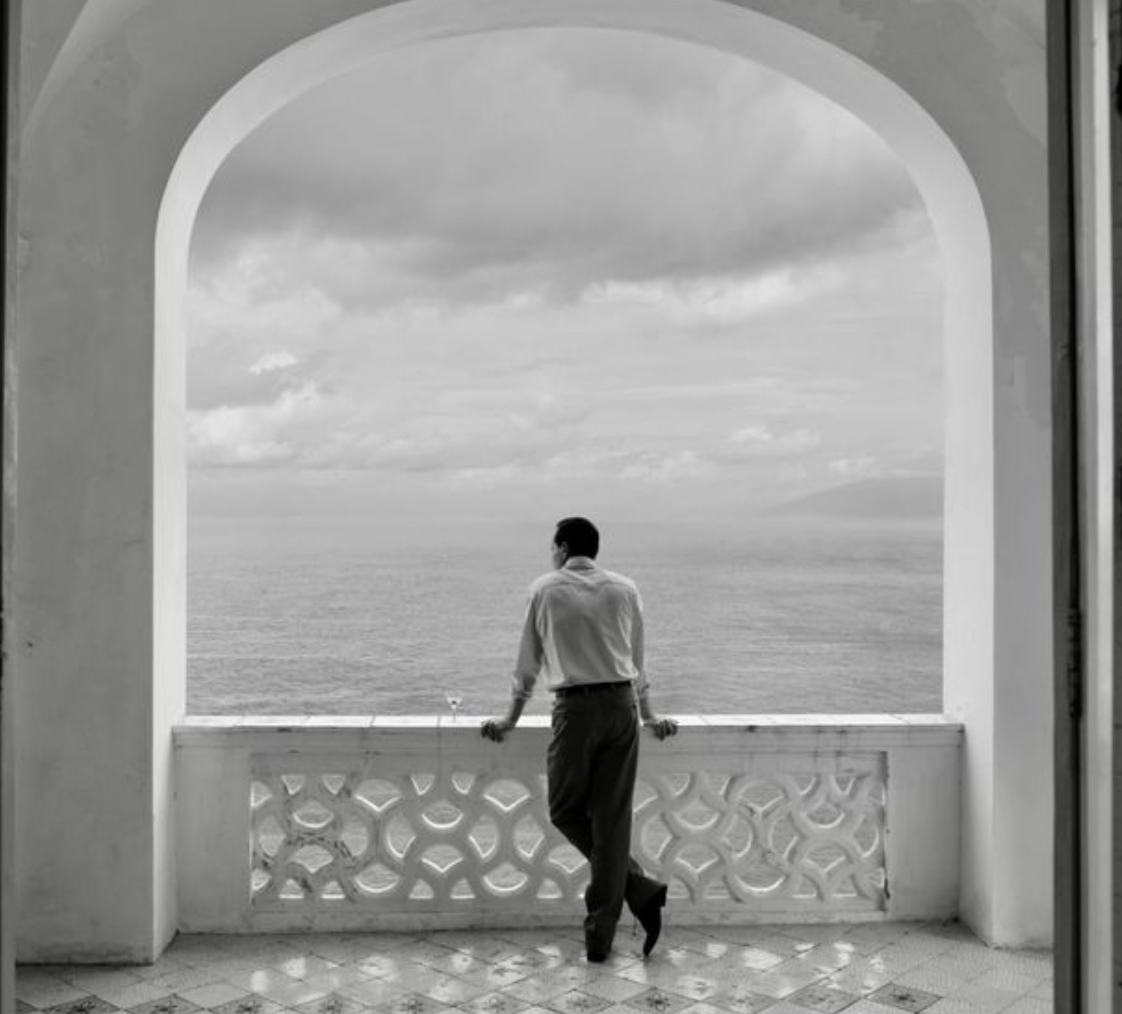
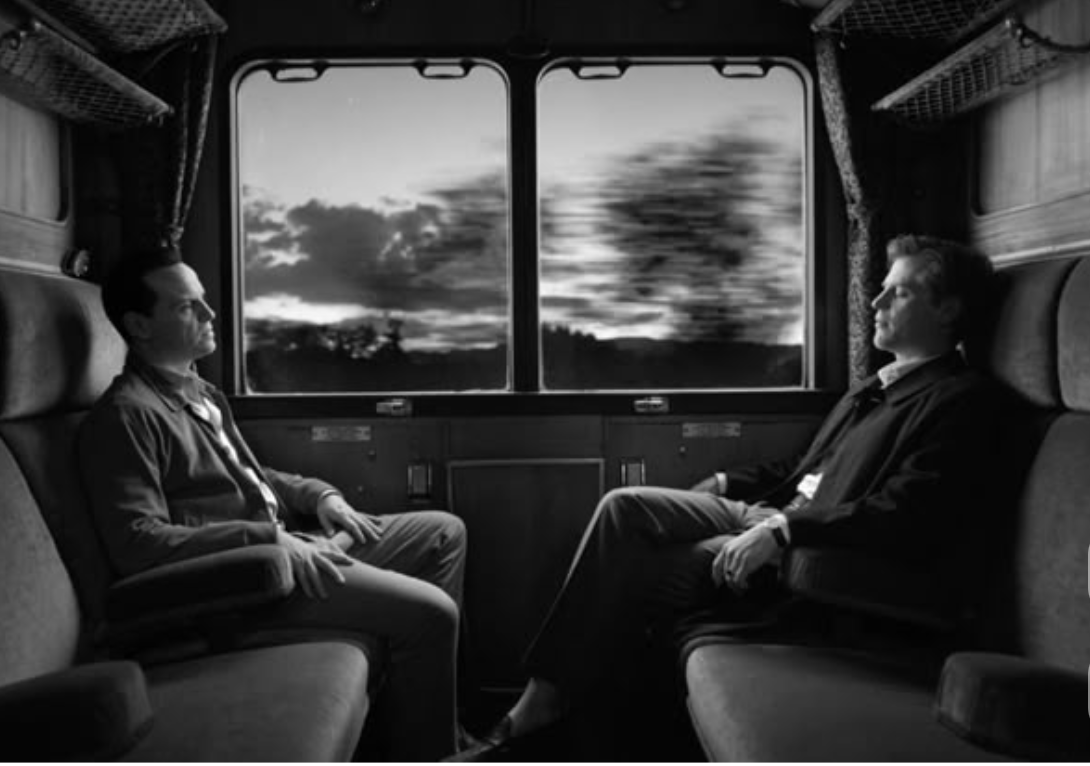
Ripley (2024), lensed by Robert Elswit, is monastic and architectural—a noir etching of Italy where marble, shadow, and sun carve ruthless geometry. Elswit’s blacks are disciplined, his midtones pearly; stairwells, alleys, and seascapes become moral spaces. The series rewards patience: long, static compositions where a figure punctures the frame like a confession. In our practice, Ripley nudges us toward structure—using shadows as walls, letting a single highlight guide the eye, and embracing the stillness between gestures. Think of every street corner as a set of planes; wait for the one human note to strike the chord.
Across these works, monochrome is not a filter but a discipline: design with contrast, compose with voids, and let light be your protagonist. Carry that to the street—meter with intent, lean into texture, and wait for light to write the sentence your subject completes.